Most coverage of India’s online betting growth focuses on cricket, tournaments, and welcome bonuses. Underneath all of that sits a less glamorous but far more important layer: the payment rail that actually moves the money, and it happens to be one of the most heavily used financial systems on the planet.
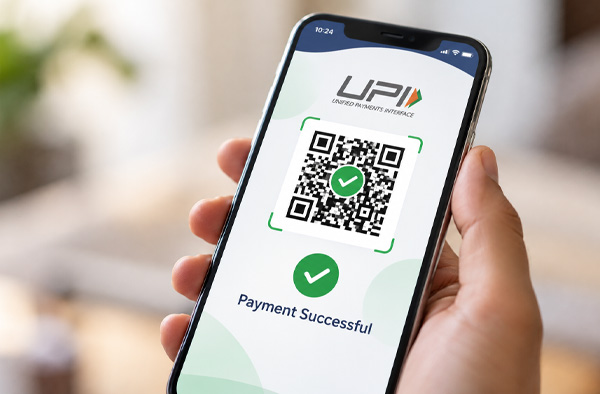
UPI Is the Payment Rail Behind Nearly Every Bet
According to recently updated UPI payment statistics for India, India’s Unified Payments Interface now has 554 million users and processes transactions across 731 banks nationwide, with a transaction success rate of 99.2%. That kind of reliability is exactly why UPI has become the default deposit and withdrawal method for online betting platforms operating in India, rather than one option among many. PhonePe, Google Pay, and Paytm alone handle close to 88% of all UPI volume, which means most bettors are funding accounts through an app they already use daily for groceries and bills. The average UPI ticket size has also been drifting lower, driven by everyday small-value purchases, which suggests the same rails increasingly carry both a weekly grocery run and a same-day betting deposit without any friction between the two.
The Market Growing Underneath That Infrastructure
That payment convenience is a big part of why the market it supports keeps expanding. According to market sizing published by Grand View Research, India’s online gambling market generated USD 2,142.7 million in revenue in 2025 and is projected to reach USD 8,961.6 million by 2033, a compound annual growth rate of 19.6%. Sports betting alone accounted for 60.78% of that revenue in 2025, making it both the largest and fastest-growing segment tracked in the report.
Payment Trust Isn’t Optional Anymore
None of that growth matters much if the underlying payment infrastructure isn’t trustworthy, which is exactly the problem banks and card networks have spent years trying to solve. This outlet has covered how payments professionals think about that challenge from the inside: in coverage of how one payments architect approaches digital banking, the recurring theme is that fraud detection and governance have to be built into a payment system from the ground up, not bolted on afterward, using tools like dynamic CVV2 verification to cut fraud risk while keeping transactions fast. Betting platforms sit on top of that same broader payment ecosystem, which means the same governance questions apply to them.
Why This Matters When Picking a Platform
That’s the part that gets skipped over in most bonus-focused coverage. Two platforms can offer nearly identical welcome bonuses and still differ enormously in how they handle KYC verification, how fast withdrawals actually clear once requested, and how transparent they are about deposit limits. Readers comparing options, rather than just chasing the biggest headline number, are usually better served checking a comparison guide like best betting apps in india that evaluates payment handling and licensing side by side with the bonus terms.
What to Look for Beyond the Bonus
A few practical checks go a long way here. Confirm which payment methods a platform actually supports beyond UPI, since not every operator processes card or wallet withdrawals at the same speed. Check whether KYC documentation is requested upfront or only once a withdrawal is due, since the latter tends to slow down the first payout considerably. And look at whether deposit and loss limits can actually be configured, rather than existing only in the terms and conditions. It’s also worth checking how a platform communicates when something goes wrong with a transaction, since a UPI payment that fails to reflect immediately is a normal, everyday occurrence, and how quickly support responds to that kind of query says a lot about how the operator is run.
Why Withdrawal Speed Varies So Much Between Platforms
Deposits are almost always instant given how mature UPI infrastructure has become, but withdrawals are where real differences show up between operators. Some platforms release funds within minutes of a request clearing internal checks, while others batch withdrawals and only process them a few times a day, which can turn a same-day cashout into an overnight wait. That gap usually comes down to how much manual review a platform builds into its payout process rather than any technical limitation on the banking side, since the UPI rail itself is capable of near-instant settlement regardless of which app initiates it.
The Compliance Layer Nobody Talks About
Regulators have also started tightening the payment side of this equation directly. New digital payment rules introduced by the Reserve Bank of India in 2026 require two-factor authentication on digital transactions more broadly, adding another layer of friction that’s designed to protect users rather than slow them down unnecessarily. Every UPI-based betting transaction now moves through NPCI infrastructure and is monitored under existing anti-money-laundering frameworks, which is a meaningfully different risk profile than a payment method operating entirely outside the regulated banking system.
The Bigger Picture
Strip away the bonus percentages and the odds boosts, and what’s left is a market that grew because the payment rail underneath it got fast, cheap, and reliable enough to support it. That’s worth keeping in mind before registering anywhere: the platform with the flashiest welcome offer isn’t necessarily the one handling your money, and your data, the most carefully.

Loves all things female cricket