The Bangladesh Cricket Board (BCB) has received the report of an independent investigation into allegations of sexual misconduct raised by former Bangladesh women’s team captain Jahanara Alam, bringing a significant development in a case that has exposed uncomfortable questions about player welfare, accountability and governance in the country’s cricketing system.
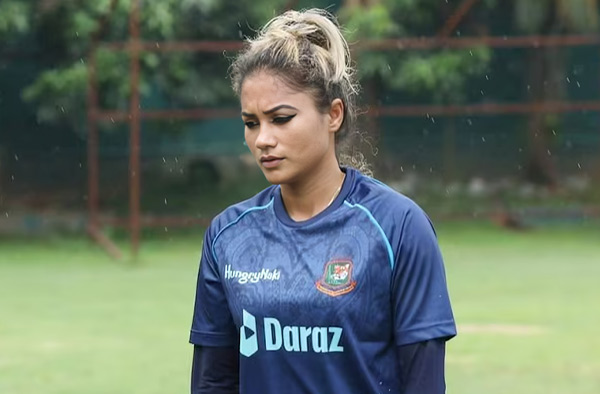
The controversy began in November 2025 when Jahanara, one of Bangladesh’s most recognisable women cricketers, spoke publicly about experiences she said she had endured during her international career. In an interview, she alleged that certain officials associated with the women’s national team had subjected her to inappropriate behaviour over a prolonged period, including during major international tournaments such as the 2022 ICC Women’s World Cup.
At the centre of her claims was Md Monjurul Islam, a former selector and team manager. Jahanara alleged that Monjurul repeatedly crossed professional boundaries, engaging in behaviour she described as sexually inappropriate and unwelcome. Among her claims were allegations of unwanted physical contact, including hugging and touching under the guise of encouragement, which she said made her deeply uncomfortable.
She also stated that he asked lewd and intrusive questions about her personal life and body, conduct she said had no place in a professional sporting environment. Beyond specific incidents of physical and verbal impropriety, Jahanara claimed she was subjected to what she described as “indecent proposals” on multiple occasions.
She emphasised that these were not isolated incidents, but repeated experiences that created fear and pressure, making it difficult for her to speak out earlier without worrying about her career and place in the team. She also alleged that the problem was not confined to one individual, claiming that other team officials, including members of the support staff and management, behaved inappropriately or dismissively, contributing to what she portrayed as a hostile and unsafe environment for female players.
Jahanara further claimed that she had attempted to raise concerns with the BCB before making her allegations public but felt that her complaints were not addressed with the seriousness they deserved. This perceived inaction became a major point of criticism once the issue entered the public domain, with questions raised about whether the board had adequate mechanisms to protect players and respond to sensitive complaints.
In response to the public outcry, the BCB announced the formation of an independent inquiry committee in November 2025, pledging a zero-tolerance approach to harassment and misconduct. The committee, chaired by retired Supreme Court judge Justice Tariq Ul Hakim and later expanded to five members, was tasked with examining four specific allegations formally submitted by Jahanara. The investigation process took several months, with deadlines extended to allow for the submission of detailed statements and the examination of evidence.
The development coincided with intervention from the Bangladesh High Court, which questioned the BCB’s handling of the matter and its apparent delay in acting decisively. A High Court bench issued a rule asking why the board’s perceived silence and inaction following the emergence of the allegations should not be declared unlawful. The court also sought explanations on whether the BCB had complied with existing legal obligations regarding workplace harassment and the protection of complainants.
In its observations, the High Court underscored the importance of transparency and accountability when allegations of this nature are raised, particularly within national institutions. The bench noted that prolonged silence or delays in response could discourage victims from coming forward and undermine confidence in institutional safeguards. The court directed the relevant parties to respond, keeping the matter under judicial oversight.