Lauren Winfield-Hill has sounded a clear warning about the shrinking pool of English captains in The Hundred, calling out the influence of owners, auction dynamics and franchise cycles for sidelining domestic leadership opportunities. Speaking on the Wisden Women’s Cricket Weekly podcast during the sixth edition of the tournament (21 July–16 August 2026), the Sunrisers Leeds wicket-keeper batter, who has captained franchises before, described her frustration at seeing just three English skippers this year, down from five in 2025.
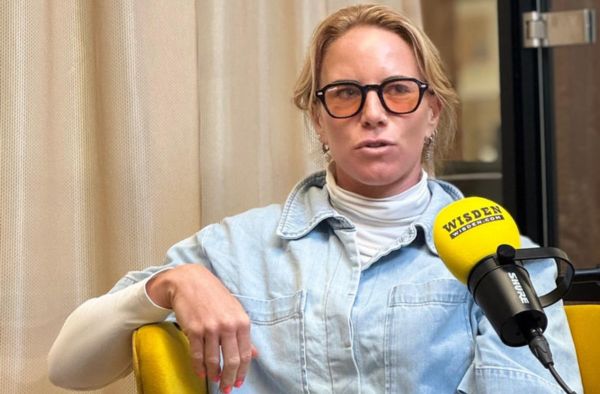
“It’s disappointing, no doubt about it,” Winfield-Hill said, pinpointing how relationships between coaches and owners shape captaincy choices. “The world we live in, everybody wants the young superstars and the up-and-coming rising stars of the game. They’re the ones who get bums on seats, whether it’s in a leadership position or signings in the auction.” Her comments come as the ECB’s sale of its 49 percent stakes in each Hundred franchise, and the move from a draft to an auction system, have reshaped incentives and personnel across teams.
Winfield-Hill argued that the balance of power has shifted in some clubs. “I think potentially in some teams the power may lie more with the owners than the head coaches. Money is power, and that’s just the nature of it,” she said, warning that commercial priorities can trump the longer-term development of English leaders.
Winfield-Hill argued that the balance of power has shifted in some clubs. “I think potentially in some teams the power may lie more with the owners than the head coaches. Money is power, and that’s just the nature of it,” she said, warning that commercial priorities can trump the longer-term development of English leaders. She pointed to MI London’s appointment of Holly Armitage, and the influence of coach Lisa Keightley’s knowledge of the player, as an example where coach-owner dynamics and prior relationships combined to produce a decision that might not have been purely headline-driven.
For Sunrisers Leeds, who sit fifth on the points table with four points from two matches under skipper Dani Gibson, the conversation is close to home. Winfield-Hill praised the process at her own franchise, describing how head coach Adrian Birrell engaged multiple players in discussions before settling on Gibson. “He was really open with that, and he’s strong,” Winfield-Hill said, underlining the value of transparent, coach-led decision-making in building trust and continuity.
Her concern reaches beyond club loyalties. Internationally, many franchise competitions are using domestic leagues to fast-track leadership: three of five WPL sides are captained by India players and Cricket Australia has used the WBBL to give younger Australians captaincy experience. England’s pipeline looks thinner by comparison, a vulnerability exposed after Heather Knight’s 2024 departure from England’s long-term captaincy and the relative scarcity of tested successors.
Winfield-Hill, who led the Northern Superchargers in 2021 and captained the Oval Invincibles in 2024 and 2025, stressed the importance of stability. “Ideally in a franchise world you want to keep some sort of core together for two or three years and see how many trophies you can win,” she said. “You don’t want to be chopping and changing every year, especially from a leadership point of view.”
Her critique blends practical experience with a plea for structural thinking: franchises should balance short-term commercial appeal with the long-term cultivation of English leaders. As The Hundred evolves under new ownership models and auction mechanics, Winfield-Hill’s message is a reminder that building a conveyor belt of captaincy talent requires deliberate choices, not just headline signings. For England’s game to flourish, she argues, those choices need to include more opportunities at the helm for homegrown players.
(Quotes sourced from Wisden)

Loves all things female cricket