Cricket has long been seen as a male-dominated sport, but the reality is changing fast. Women make up a growing share of cricket fans worldwide, bringing unique perspectives, emotional connections, and cultural experiences to the game. From stadium atmospheres to online communities, female fans engage with cricket in ways that often differ from traditional male fandom patterns. On digital platforms, forums, and betting-related discussions — including communities that mention platforms like CroreBet — women are increasingly visible participants in cricket culture.
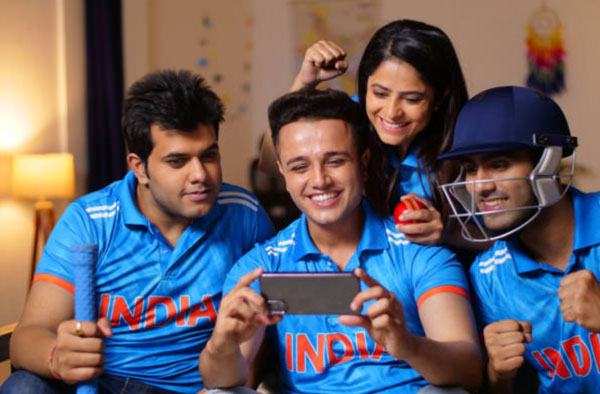
Understanding how women experience cricket differently is important for teams, broadcasters, sponsors, and communities aiming to make the sport more inclusive. These differences are shaped by social factors, media representation, psychology, and personal motivations that influence how women watch, analyze, and emotionally connect with the game.
Cricket Through a Different Cultural Lens
Historically, cricket fandom has been associated with masculinity, rivalry, and competitive banter. Women entering this space often face stereotypes that they are “casual fans” or less knowledgeable. However, research and fan communities show that women are just as passionate and informed, though their engagement styles can differ.
Women often navigate cricket fandom while challenging outdated norms, which can make their experience both empowering and complex.
Emotional Connection to Players and Stories
Many female cricket fans report being drawn to personal stories, player journeys, and team narratives. While statistics and strategies are important, emotional storytelling often plays a stronger role in how women connect with the sport.
Examples include:
- Following a player’s comeback from injury
- Supporting underdog teams
- Engaging with behind-the-scenes content and documentaries
This narrative-driven engagement creates deeper emotional bonds with teams and players.
Community and Social Experience
Women often experience cricket as a social event rather than just a competitive spectacle. Watching matches with friends, family, or online communities can be a key part of their enjoyment.
Female fans are more likely to:
- Participate in group chats or social media discussions
- Share reactions and memes during matches
- Engage in fan communities and forums
This communal approach makes cricket a shared cultural experience rather than a solitary activity.
Representation in Media and Its Impact
The representation of women in cricket media — both as fans and players — has historically been limited. As women’s cricket gains visibility, female fans feel more included and validated.
Media representation affects:
- Sense of belonging in the cricket community
- Interest in women’s leagues and tournaments
- Engagement with grassroots cricket programs
When women see themselves represented, their connection to the sport becomes stronger and more personal.
Safety and Comfort in Stadiums
Women often experience live cricket matches differently due to safety, comfort, and social dynamics. Issues such as harassment, crowd behavior, and inadequate facilities can affect how women perceive stadium environments.
Many female fans prefer:
- Family-friendly seating areas
- Well-lit and secure stadiums
- Clean restrooms and inclusive facilities
These factors influence whether women attend matches in person or prefer watching from home.
Analytical vs Emotional Engagement Styles
Studies in sports psychology suggest that men and women may approach sports fandom differently — not in intensity, but in style. Men often focus on competition, statistics, and rivalry, while women may emphasize emotional connection, teamwork, and player personalities.
However, this is not a strict rule. Many female fans are deeply analytical, following ball-by-ball data, while many male fans are emotionally driven. The key difference lies in how these aspects are balanced.
The Rise of Women’s Cricket and Female Fandom
The growth of women’s cricket has created a positive feedback loop:
- More women’s matches are televised
- More female fans engage with the sport
- Increased fan interest attracts sponsors
- Better funding improves the quality of women’s cricket
This cycle strengthens women’s connection to cricket and changes how they experience the sport.
Digital Engagement and Social Media
Social media has transformed how women experience cricket. Online platforms allow female fans to:
- Share opinions without gatekeeping
- Follow players directly
- Join global fan communities
- Create content such as blogs, podcasts, and fan art
- Digital spaces reduce barriers that women may face in traditional cricket environments, making fandom more inclusive.
Women as Strategic and Casual Fans
Women’s cricket fandom is diverse. Some women are hardcore analysts who track strategies, pitch conditions, and player form. Others are casual viewers who enjoy big tournaments, social events, and cultural moments.
Both approaches are valid and contribute to the richness of cricket culture.
Marketing and Sponsorship Perspectives
Brands increasingly recognize the value of female cricket fans. Women influence household decisions, merchandise purchases, and sports consumption patterns. As a result, marketing campaigns are becoming more inclusive, featuring female fans and athletes.
This recognition validates women’s presence in cricket and enhances their overall experience.
Challenges Female Cricket Fans Still Face
Despite progress, challenges remain:
- Gatekeeping and questioning of knowledge
- Gender stereotypes in commentary and fan discussions
- Lack of women-focused content in some regions
- Safety and inclusivity issues at live events
Addressing these challenges is essential for creating a truly inclusive cricket culture.
Why Women’s Cricket Fandom Matters
Women’s perspectives enrich cricket culture. They bring new narratives, community-building approaches, and emotional depth to the sport. Their growing presence also supports the expansion of women’s cricket, youth programs, and inclusive policies.
Cricket is not just a game; it is a social and cultural phenomenon. Women’s experiences shape how the sport evolves in the 21st century.
The Future of Women in Cricket Fandom
The future of cricket fandom is increasingly diverse. As more women engage with cricket through stadiums, digital platforms, fantasy leagues, and analytical communities, their voices will shape how cricket is played, marketed, and experienced.
Expect to see:
- More female commentators and analysts
- Fan communities led by women
- Inclusive stadium designs
- Gender-neutral sports marketing strategies
These changes will continue to transform cricket from a traditionally male-dominated space into a truly global and inclusive sport.
Conclusion
Women’s cricket fans experience the game differently because of social, cultural, emotional, and practical factors. Their fandom is shaped by narratives, community, representation, safety, and digital engagement, creating a unique and meaningful connection to cricket.
As cricket continues to grow worldwide, understanding and embracing these differences will help make the sport more inclusive and dynamic. Women are not just spectators — they are storytellers, analysts, community builders, and key drivers of cricket’s global future.

Loves all things female cricket