Women’s international cricket looks stable on the surface. Same teams. Familiar faces. Regular tours. But behind the scenes, something has shifted. Coaches are rotating squads more often, resting senior players, and giving short runs to younger ones. It’s not loud. It’s not dramatic. But it’s changing how the game works.
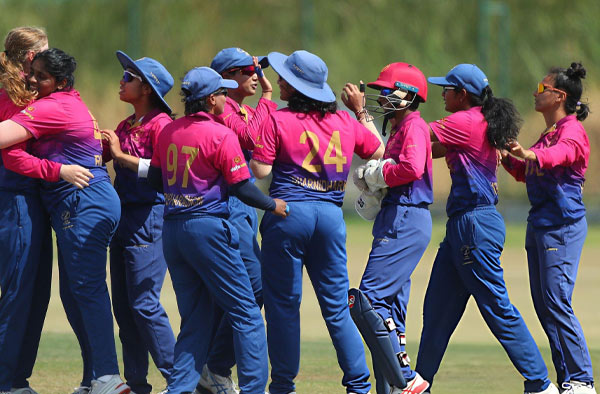
You see the effects in team sheets, in captaincy calls, and in how players are managed across formats. Fans follow form and selections closely. Some also track trends through platforms such as cricket betting markets, which tend to react quickly to squad news and late changes. That’s one reason rotation now gets more attention than it used to.
Why Rotation Is Becoming More Common
The schedule keeps growing
Here’s the thing. The women’s international calendar is heavier than it was a decade ago. Under the ICC’s women’s Future Tours Programmes for 2022-2025 and 2025-2029, the number of planned international matches increased from just over 300 to around 400. That growth also came with more global events and longer bilateral series.
Teams now move between formats more often. Tests, ODIs, and T20Is can sit close together on the calendar. Recovery windows are shorter. Over a full season, that load adds up.
Fatigue isn’t just physical
Coaches talk more openly now about mental wear. Travel. Bubble life. Repeated high-pressure games. Rotation helps spread that stress. It gives players time away without removing them from plans altogether.
How Rotation Actually Works
Planned changes, not random ones
Rotation doesn’t mean guessing. Selection is usually mapped out before a tour starts. Teams decide where rest makes sense and where experience is needed. A player might miss one match, then return for the next phase of a series.
This approach lets teams protect key players while still keeping combinations familiar. It’s less about resting stars and more about managing seasons.
Leadership becomes more important
When lineups change, captains carry more responsibility. New players need clear roles fast. Bowling plans have to adjust. Fielding units need direction. Sides with strong leadership groups handle rotation more smoothly than those still building experience.
What This Means for Younger Players
More chances, less certainty
Recent international series suggest younger players are getting opportunities earlier in their careers. Debuts come faster. But extended runs are not guaranteed. One or two matches can be the window.
That can be tough. Learning happens under pressure. Mistakes carry weight. At the same time, exposure to international cricket earlier can speed up development.
Depth is no longer theoretical
Teams talk about depth often. Rotation turns it into something real. A side with eight or nine players ready for international level can rotate without losing balance. A side without that depth feels every absence.
This gap shows most clearly on long tours, where injuries and fatigue stack up.
Format Overlap Changes Selection Logic
Different formats, different needs
A player strong in T20s might not be central to an ODI plan. Rotation allows teams to tailor lineups more closely to format demands. That flexibility matters more as multi-format tours become common.
It also means fewer players are expected to cover everything. Specialists have clearer paths.
Workload management shapes careers
Fast bowlers and all-rounders are watched closely. Overs are tracked. Breaks are planned. This kind of management used to be rare in the women’s game. It is becoming more common as workloads rise and careers extend.
What This Means Going Forward
Results can swing more often
Rotation adds uncertainty. A rested player changes team balance. A new player might overperform or struggle. That variation is part of the modern game. It doesn’t lower standards. It changes how teams prepare.
Rotation is here to stay
The schedule is not shrinking. Participation is growing. Expectations are higher. Squad rotation is one of the few tools teams have to manage all of that at once.
And that’s why it matters. Rotation isn’t about protecting players from competition. It’s about keeping teams competitive across longer, fuller seasons.

Loves all things female cricket