Women’s cricket is gaining a stronger foothold in Australia’s sporting culture, supported by rising television audiences, rapid streaming growth, and greater engagement across digital platforms. The Women’s Big Bash League (WBBL) has emerged as a particularly important driver of this shift, while international competitions and social media are introducing the sport to audiences beyond traditional cricket followers.
Recent audience figures suggest this growth is becoming increasingly significant. Streaming viewership for the 2025–26 WBBL season on 7plus Sport increased by 189% year over year, while average audiences across Seven and 7plus reached approximately 132,000 viewers per match, up 28%. These numbers highlight how digital consumption is changing the way Australians follow women’s cricket, creating opportunities for broadcasters, sporting organizations, and online platforms.
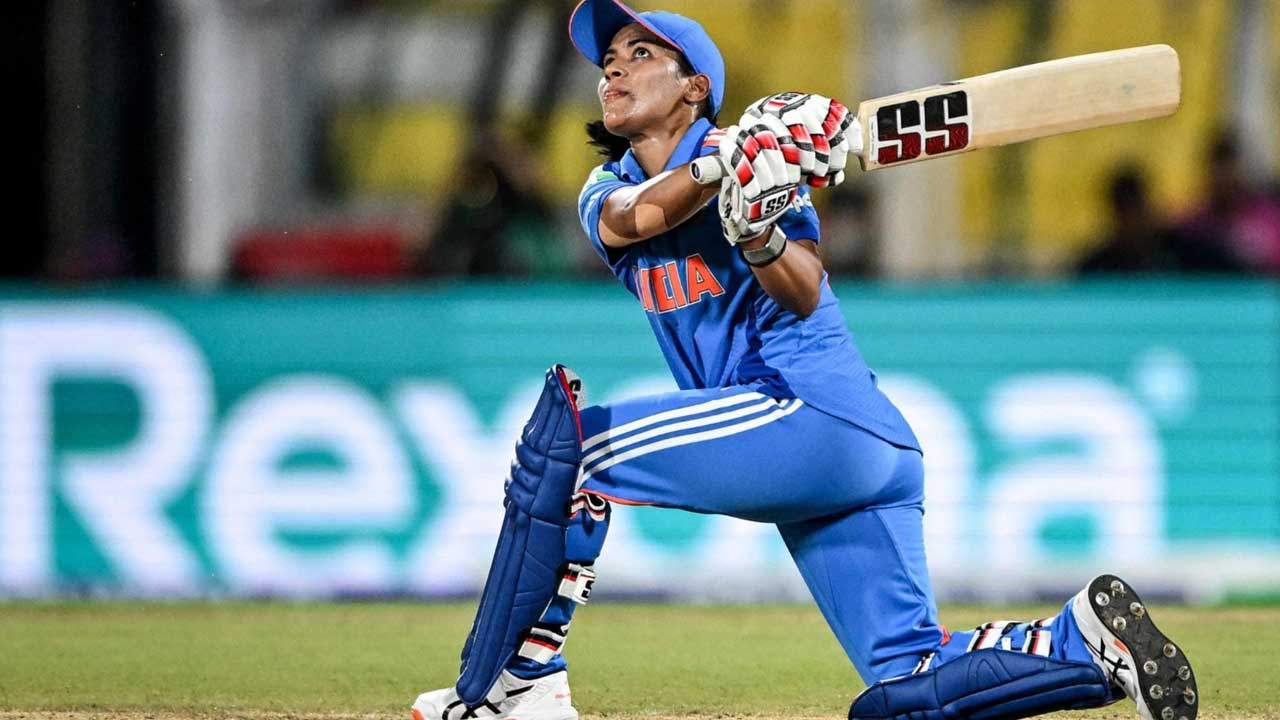
Women’s Big Bash League Drives Strong Digital Audience Growth
The Women’s Big Bash League has become one of the most important competitions in Australian women’s sport, combining domestic talent with international players in a format designed for television and digital audiences.
The 2025–26 season delivered particularly encouraging results. According to Seven’s season reporting, streaming audiences on 7plus Sport increased by 189% compared with the previous year, while the competition recorded its strongest overall audience performance in five years on the network.
Cricket Australia also reported that the WBBL achieved its highest average audience per match since every game began being broadcast, reinforcing the competition’s growing appeal.
These figures matter because streaming growth reflects more than traditional television exposure. Digital platforms allow supporters to follow matches across different devices, watch highlights, and engage with cricket content without relying exclusively on scheduled broadcasts.
For younger audiences accustomed to consuming sport through smartphones, streaming services, and social media, this flexibility is increasingly relevant.
The WBBL’s continued development also provides greater visibility for Australian players throughout the domestic season, rather than concentrating attention exclusively on major international tournaments.
Australia’s International Success Is Bringing New Attention
Australia’s women’s national cricket team has played an important role in establishing the sport’s profile through sustained international competitiveness and high-profile fixtures.
The 2025 Women’s Ashes series provided a particularly significant example of growing public interest. The Test match at the Melbourne Cricket Ground attracted 35,365 spectators, setting a world attendance record for a women’s Test match at the time.
The turnout demonstrated that women’s cricket can attract substantial audiences at major sporting venues, particularly when international rivalries and established cricket traditions come together.
These events also generate attention beyond the stadium. Television coverage, online highlights, interviews, and social media discussions extend the visibility of major matches to supporters who cannot attend in person.
For Australian fans, the connection between international success and domestic competitions is particularly valuable. Players who become familiar through Ashes encounters and global tournaments can attract additional attention when returning to the WBBL.
This creates a more continuous relationship between audiences and the sport, with domestic and international competitions supporting each other’s visibility.
Streaming and Social Media Are Changing How Fans Follow Cricket
One of the biggest developments in modern sports consumption is the growing importance of digital platforms.
Traditional television remains a major part of cricket broadcasting, but fans increasingly expect access to highlights, live statistics, interviews, and match updates through online services.
Women’s cricket is benefiting from this shift.
The International Cricket Council reported that the 2025 Women’s Cricket World Cup generated approximately 5.2 billion video views and 279 million social media interactions across its digital channels.
Although these figures represent global engagement rather than Australian audiences alone, they demonstrate the scale of online interest surrounding major women’s cricket competitions.
Short-form video is particularly relevant because it allows individual performances to reach viewers who may not watch an entire match. A decisive wicket, spectacular catch, or match-winning innings can circulate across social platforms and introduce new audiences to the players involved.
Digital coverage also makes cricket easier to follow between matches. Supporters can track team selections, injuries, player performances, and tournament developments without waiting for traditional sports broadcasts.
Following regular cricket news gives fans access to match reports, player updates, and competition developments that help maintain engagement throughout the season.
This constant flow of information is helping turn women’s cricket into a more continuous digital conversation rather than an occasional event associated with major tournaments.
Cricket Predictions and Digital Platforms Add Another Layer of Engagement
The growth of digital cricket audiences is also changing how some supporters interact with match statistics, forecasts, and betting markets.
Cricket has always been a data-rich sport, with batting averages, bowling figures, strike rates, and historical performances providing detailed information about players and teams.
Modern prediction platforms build on these statistics by incorporating factors such as recent form, pitch conditions, team selections, and match formats into probability-based assessments.
For women’s cricket, greater coverage and more accessible statistical information can make it easier for fans to evaluate upcoming fixtures and understand why particular teams are considered favorites.
This development also connects with the wider growth of online sports betting and cryptocurrency-based payment services.
Some Australian sports fans researching bitcoin sports betting in Australia may encounter platforms offering cricket markets alongside other sporting events. However, cryptocurrency support does not automatically make an operator legal or licensed to serve Australian customers, and digital asset payments introduce additional risks involving volatility, withdrawals, and wallet security.
The availability of betting markets should also not be confused with evidence that gambling is driving the growth of women’s cricket audiences. The stronger indicators of the sport’s expanding reach remain broadcast viewership, streaming engagement, and participation.
For supporters primarily interested in following matches, statistical forecasts can provide additional context without requiring any financial involvement.
Younger Audiences Are Becoming Part of the Growth Story

The expansion of women’s cricket is not limited to professional competitions and digital audiences. Grassroots participation is also showing encouraging signs.
Cricket Australia reported that registrations among girls aged five to twelve increased by 10% during the 2025–26 summer, reaching nearly 31,000 participants.
This growth is particularly relevant because long-term sporting development depends on attracting new generations of players as well as spectators.
Greater visibility for professional cricketers can provide young participants with recognizable role models, while expanded broadcast coverage makes elite women’s competitions easier for families to follow.
The relationship between participation and viewership can also reinforce interest over time. Young players who become involved in local cricket may develop stronger connections with domestic teams, international players, and major competitions.
However, the participation figures do not establish that streaming growth directly caused the increase in registrations. Both developments are better understood as evidence of broader momentum across different parts of the sport.
For Cricket Australia and domestic competition organizers, maintaining that momentum will depend on accessible playing opportunities, continued investment, and consistent media exposure.
Why Women’s Cricket Has Room to Grow Further
Despite its recent progress, women’s cricket still has opportunities to expand its digital reach.
The WBBL’s streaming growth demonstrates that audiences are willing to engage with the competition through online platforms, but sustaining that interest requires consistent scheduling, accessible broadcasts, and compelling coverage throughout the season.
International competitions will continue to provide important moments of visibility, particularly when Australia faces established rivals in high-profile matches.
At the domestic level, the development of recognizable teams and players can help strengthen fan loyalty beyond individual tournaments.
Digital media will remain central to this process. Match highlights, player-focused content, live statistics, and accessible coverage can introduce women’s cricket to audiences who may not regularly follow traditional broadcasts.
The challenge is converting occasional interest into sustained engagement across multiple seasons.
Women’s Cricket Is Becoming a Lasting Part of Australia’s Sports Culture
The latest audience and participation figures suggest that women’s cricket is establishing a stronger position within Australia’s sporting culture.
The WBBL’s 189% streaming growth, the record Women’s Ashes Test attendance, and rising junior participation all point toward expanding interest across different parts of the game.
Digital platforms are helping connect these developments by making matches, highlights, statistics, and player stories more accessible to supporters.
For broadcasters and sporting organizations, the next priority will be maintaining that engagement as competition for online audiences intensifies.
Women’s cricket is no longer relying solely on major international events to generate attention. Its growing domestic audience and expanding digital presence suggest the sport has a stronger foundation for continued development in Australia.

Loves all things female cricket