The England and Wales Cricket Board (ECB) is mulling major tweaks to its stringent player eligibility rules, potentially for the first time since fast-tracking Jofra Archer in 2019, bringing them closer to ICC standards and opening doors for a more competitive England squad ahead of the ICC Women’s T20 World Cup 2026.
Seven years ago, the ECB softened its overseas-born player criteria, slashing the residency requirement from seven to three years (210 days per April-March period) and trimming the cooling-off period for those with prior international or local play in Full Member nations. This propelled Archer, who arrived from Barbados in 2015 with a British passport via his English father, to eligibility by March 2019, key to England’s 50-over World Cup triumph that summer. Now 31 with 99 caps, Archer exemplified how such shifts enhance depth.
The ECB framed those changes as alignment with other Full Members, not favouritism. Now, insiders reveal discussions to sync even closer with ICC guidelines, addressing “grey areas” from booming franchise cricket. Currently, ECB rules demand all three criteria for men and women: British citizenship; birth in England/Wales or three years’ residency; and no local player status in a Full Member nation’s pro cricket/domestic scene in the last three years.
ICC rules are looser, needing just one: British citizenship; England/Wales birth; or three years’ rolling residency without recent Full Member play. ECB’s design is deliberately tough, sparking internal debates. Talks with stakeholders hint at easing this, perhaps requiring only two criteria, or flexibility for aspiring qualifiers retaining overseas status in origin countries amid franchise temptations.
Loosening rules could prevent repeats of Charlie Hemphrey’s plight. Born in Doncaster, he broke through in Australia with Queensland post-Kent youth, lost England status for not immediately registering as overseas in Sheffield Shield (corrected 2018-19), then “re-qualified” via three years upon joining Glamorgan in 2019. Costing incentive payments alongside Marnus Labuschagne and Michael Neser, his contract ended mutually in 2021, short of requalification.
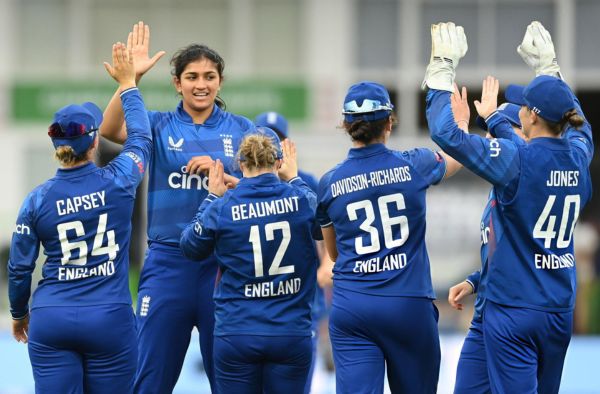
For women’s cricket, where franchise leagues like The Hundred and global T20s lure global talent, these changes promise a deeper pool. Imagine South African or Australian-born stars fast-tracked via residency, bolstering England’s World Cup bid on home soil. The ECB declined to comment, with no timeline set, but as conversations heat up, the 2026 showpiece looms large.

Loves all things female cricket