As Australia navigates a period of subtle transition in their T20 set-up, versatility has become a quiet priority. In the lead-up to the second T20I against India at Manuka Oval, one of the more intriguing developments has been Phoebe Litchfield stepping up her wicket-keeping practice.
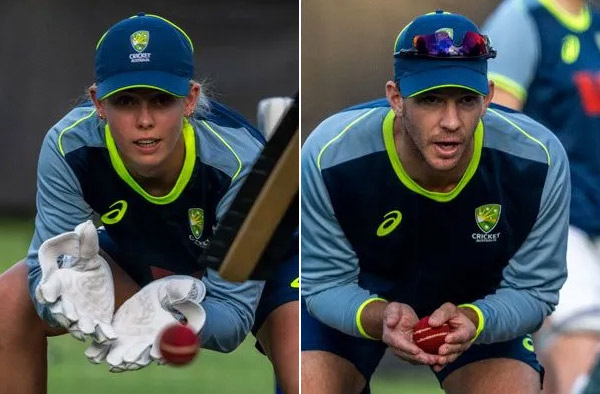
Still only 22, Litchfield is already an integral part of Australia’s top order, but with the team balancing experience and succession planning, she is preparing herself to offer more than just runs. With Alyssa Healy no longer a regular presence in T20 Internationals (T20Is) and Beth Mooney firmly established as the frontline wicketkeeper, Australia do not currently carry a specialist back-up glove woman in their immediate XI.
In major tournaments such as the ICC Women’s T20 World Cup, squad spots are limited and flexibility is invaluable. A batter who can double as emergency wicketkeeper gives selectors breathing room and allows for greater balance elsewhere in the squad. Litchfield has been clear that her motivation is rooted in team needs rather than personal ambition.
“It’s just a second fiddle thing, you’ve got to have more strings to your bow,” she said. “I love fielding, don’t get me wrong, but I think moving forward – I’ve always kept at home, back in Orange, with the men’s cricket and I want to keep that skill up, if need be, but I’m definitely not trying to take anyone’s spot, that’s for sure.” Her words underline both humility and foresight. She understands her primary role in the side yet recognizes the value of adaptability in a high-performance environment.
Working closely with former Australia captain Tim Paine during training sessions in Canberra, Litchfield has been refining the technical side of keeping. She admits she is still a work in progress. “I’ve learned a lot in those kinds of sessions, I’m very much a raw keeper. I just watch the ball and hopefully catch it. So (Paine) gave me some tips on just positionings and a few things … I’m very much learning it, but back myself to be able to fill in if need be.” That self-awareness reflects a player comfortable with growth, unafraid to acknowledge inexperience while trusting her ability to step up if required.
[embedpress]https://x.com/i/status/2024121833239503119[/embedpress]
Her perspective also extends to the broader strategic picture. “I know that having a back-up keeper on your resume is somewhat beneficial if you’re looking elsewhere. And Australia having that option then clears up a spot (in the squad) for potentially a bowler or a batter, if need be.” In tournament cricket, that additional spot could be the difference between carrying an extra death bowler or an additional power-hitter. It is a small adjustment that could yield significant tactical dividends.
All of this unfolds as Australia look to rebound from a rare batting misfire in the opening T20I against India. The group, including Litchfield, is under pressure to respond with greater clarity and execution. Yet her willingness to expand her skill set during such a competitive series speaks volumes about the culture within the Australian camp.
Phoebe Litchfield’s development as a back-up wicketkeeper may not dominate headlines, but it represents the kind of forward planning that has long defined Australia’s success. In a side where excellence is expected and competition is constant, her readiness to evolve ensures she remains not just a promising batter, but an increasingly complete cricketer prepared for whatever role the team requires.
(Quotes sourced from cricket.com.au)

Loves all things female cricket