Nat Sciver-Brunt’s return from a calf injury could not have been scripted better. The 33-year-old all‑rounder and England skipper raced into the semi-final at Kennington Oval on 2 July 2026 with fitness doubts hanging over her, yet produced a composed, pressure-packed 75 off 47 balls, the highest individual score by an England captain in the knockout stages of the ICC Women’s T20 World Cup.
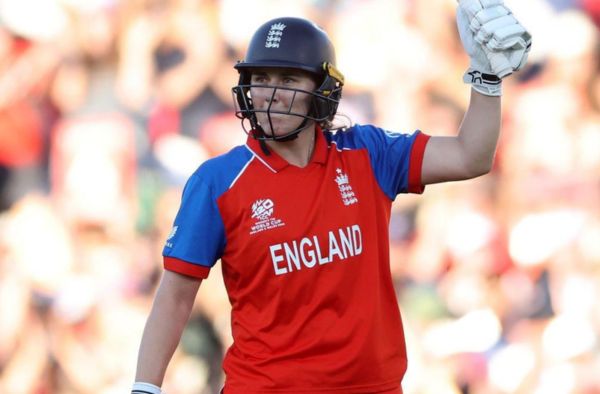
Coming in at No. 3, her innings, studded with 11 fours and a maximum, anchored a record 133‑run partnership with Heather Knight and earned her Player of the Match as England booked a fifth final appearance in tournament history.
England, the inaugural champions and hosts, were in early trouble after South Africa’s new-ball assault, led by Marizanne Kapp and Shabnim Ismail, reduced them to 35/3 in the powerplay. Sciver-Brunt and Knight (58 off 47) negotiated the tricky conditions, shifted gears tactically, and stitched the highest partnership recorded in a knockout game in ICC Women’s T20 World Cup history. Their measured aggression propelled England to 169/5, a total that proved beyond the reach of a spirited Proteas side.
Sciver-Brunt’s 75 is notable on several fronts. It is the second-highest individual knockout score by any skipper in the tournament’s history, behind former White Ferns captain Aimee Watkins, and now ranks as the second-highest knockout score by an England batter after Claire Taylor. Individually and historically, the innings underlined Sciver-Brunt’s rare ability to produce big, game-defining knocks when the stakes are highest.
Statistically, she now sits as England’s second-highest run-scorer in this edition, with 169 runs at a strike rate of 159.43 and an average of 84.50 from three innings, and remains a tournament stalwart across her career, with 907 T20 World Cup runs at a strike rate of 123.06 and an average of 43.19 in 30 innings.
The Proteas fought hard. South Africa reintroduced Sune Luus and relied on disciplined spells from Mlaba (4-0-25-2), Ismail (4-0-31-2) and Kapp (4-0-16-1) to apply pressure. In reply, Tazmin Brits and Laura Wolvaardt gave the chase a solid start, but Linsey Smith’s crucial wicket of Wolvaardt at the powerplay’s end swung momentum back to England. Brits’ 51 came under mounting scoreboard pressure and, after her dismissal by Charlie Dean, South Africa’s chase faltered. England’s bowlers, Lauren Bell, Linsey Smith, Charlie Dean, Sophie Ecclestone and Freya Kemp, combined to restrict the Proteas to 129/8, handing England a 40‑run victory.
Beyond this match, the semi-finals have intensified an already electric tournament. Australia, led by Sophie Molineux, had earlier beaten West Indies by eight wickets to reach their eighth final appearance and a shot at a seventh title. Now, England will meet the six‑time champions at Lord’s on 5 July 2026, a marquee final that pits the hosts’ experience and home momentum against Australia’s relentless dominance.
Nat Sciver-Brunt’s innings was more than a return to fitness; it was a statement of leadership. Across seven World Cup campaigns, her blend of timing, shot selection and situational awareness has made her one of England’s most dependable performers in knockout cricket. On a humid London evening, with a calf still tender and the calendar counting down to the final, she delivered the kind of knock that shifts tournament narratives, and reminded the cricketing world why she remains England’s talisman when the lights burn brightest.

Loves all things female cricket