Bhutan’s Ritshi Choden became the first woman cricketer to be dismissed timed out in international cricket during her side’s ACC Women’s Premier Cup 2026 fixture against Nepal in Mantin, Malaysia, on Wednesday. The unusual dismissal occurred just one ball into Bhutan’s chase of 114 after opener Ngawang Choden was dismissed for a golden duck. Ritshi Choden, who was next in to bat, failed to arrive at the crease within the allotted time, prompting Nepal’s players to appeal. The on-field umpires upheld the appeal, leaving Bhutan 0 for 2 after the opening delivery of the innings.
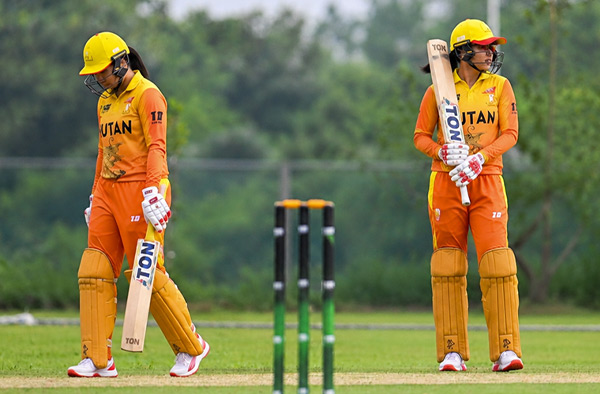
While the dismissal was in accordance with the Laws of Cricket, it quickly became the defining moment of the match and sparked discussion around the game’s spirit and sportsmanship. The incident also prompted a public apology from the Cricket Association of Nepal (CAN) following the conclusion of the game.
“The incident involving the timed-out dismissal of a Bhutanese batter during today’s match does not reflect the values and spirit of cricket that the Cricket Association of Nepal (CAN) strives to uphold,” CAN said in a statement. “On behalf of the Cricket Association of Nepal, we extend our sincere apologies for the actions of our Women’s National Team in this matter. While the dismissal was effected within the Laws of Cricket, we recognize that the spirit of the game extends beyond the written laws and must remain central to our conduct at all times.”
Video footage from the match showed Choden making her way towards the crease with her gloves and helmet still in hand following the fall of the first wicket. As she approached, Nepal’s fielders gathered and appealed to the umpires, who subsequently ruled her out. Choden accepted the decision without protest and walked back to the pavilion.
Timed-out dismissals remain one of cricket’s rarest methods of dismissal. Under the law, an incoming batter must be ready to receive the next ball within 90 seconds after the fall of a wicket. Although teams are entitled to appeal if that requirement is not met, such appeals are uncommon at the international level and often generate debate when they occur.
[embedpress]https://x.com/i/status/2062539952689402253[/embedpress]
CAN acknowledged as much in its statement, admitting that the incident fell below the standards it seeks to uphold as a cricketing nation. “As a developing cricketing nation, we place the utmost importance on sportsmanship, mutual respect, and fair play. We acknowledge that this incident has fallen short of those standards and regret any disappointment it may have caused,” the statement continued. “We convey our sincere apologies to Bhutan Cricket, the player concerned, and all relevant stakeholders. CAN remains firmly committed to upholding the highest standards of integrity and the spirit of cricket, both on and off the field.”
The dismissal handed Nepal an immediate advantage in the contest. Chasing a modest target, Bhutan were placed under pressure from the outset and never recovered from the twin blows at the start of their innings. Nepal maintained control throughout the chase and eventually completed a comfortable 51-run victory.
The result moved Nepal to the top of the Group D standings with two wins from two games, strengthening their position in the race for qualification. Bhutan, meanwhile, remain without a win after their opening two fixtures of the tournament. Yet despite the significance of the result, the match is likely to be remembered for a moment that few in attendance had witnessed before. Choden’s dismissal not only created a unique piece of cricket history but also reignited a long-running debate over the balance between the letter of the law and the spirit in which the game is played.

Loves all things female cricket