Understanding Cricket Fielding Positions: Roles and Strategies
You may think that cricket is a sport that’s all about batting and bowling. However, the fielding side of the game can determine if a team wins or loses a match.
Every player that graces the pitch has a spot and there’s a reason why they’re in that exact position. It doesn’t matter if you’re new to the sport or if you’re about to watch your 1,000th match. Knowing what fielding is all about will get you past the maze of cricket strategy. Itching for more information? Keep reading.
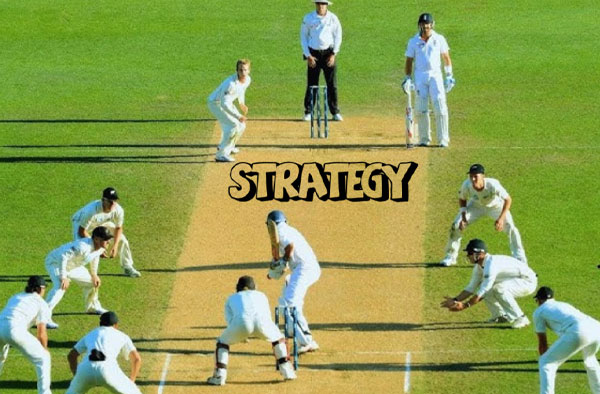
Overview of Cricket Fielding Positions
Have you watched a cricket match and wondered why players stood in certain positions? On the surface, this might seem random. But no, all these players have a job to do. As we’ve stated earlier, the way a team sets its fielders can determine if they’ll win or lose.
Malaysians who love the sport do so due to the smart strategy on display by both teams. But it’s vital to note that this element doesn’t exist just in this sport. Strategy plays an important role in virtual entertainment sites like online casinos in Malaysia. On these platforms with amazing bonuses and user-friendly layouts, gamers need to make plans about what games they play to boost their chances of winning.
Fielding positions usually fall into three unique groups. The first are the close-in positions, which appear close to the batter. Second is the inner circle that’s a little bit farther. And third is the outfield, an area that’s close to the field’s boundary rope. All of these cricket field position spots have a select role to play. Getting the right mix depends on the opponent and the batter’s hitting method.
Close-In Positions
Players that feature in close-in positions stand at spots called the slip, gully, leg slip, and short leg. Their job? To catch the ball when it goes off the edge of the bat. If a fast bowler throws a high-speed ball, there’s a chance it can deflect against the bat in a jiffy. As such, close-in fielders must have hawk eyes and anticipate events before they happen.
Inner Circle and Ring Fielders
The inner circle is the spot that exists between the close fielders and the boundary. Here, you’ll find players at the mid-on, mid-off, mid-wicket, cover, and square leg. Stopping sharp singles falls to these players, yet they must also guard against boundaries slipping through. Picture soccer’s midfielders here, always shifting between attack and defense.
Outfield Positions
The outfield is the open space that’s close to the boundary rope. Players posted here cover spots such as the deep mid-wicket, long-off, long-on, deep square leg, and third man. Their duty is to stop all balls from reaching the boundary. Why? Because balls that reach this spot can give the batting side four runs; it’s six runs if the ball goes over the rope.
In situations where a big hitter is at the crease, the right field position in cricket for the outfield spots becomes important. These players want their bowlers to deliver strong throws so that they can fire the ball back quickly or maybe chase a batter out.
Fielding Strategies By Bowler Type
No two bowlers are equal when it comes to skill set. It’s the job of the team’s captain to know if the bowler is known for being fast, spinning the ball, or swinging the ball. Each bowler variant needs a particular style of fielding.
Fast Bowlers
When a fast bowler is in play, the captain will stand several slips behind the batter; at this point, there’s usually a third man and point available to cover off wide shots.
If the ball swings in the air or moves off the pitch, the captain can add another slip. Why does this happen? Well, it’s because swinging balls are difficult to hit cleanly. So, the ball could go off the bat’s edge. Smart fielding for pace bowlers is all about placing fielders in places where edges are bound to go into.
Spin Bowlers
Spin bowlers have a reputation for turning the ball off the pitch after it lands. As such, they require close-in fielders slotted in the short leg, silly point, and leg gully. And when they’re in their respective slots, they’ve got to crouch low and stay alert because a batter can hit a spinning ball softly, allowing the ball to go into the air nearby.
Also note that spin bowling fields are put in place to slow down or stop scoring. When there’s a ring of fielders around the inner circle’s perimeter, it’s difficult to spot holes. And when a batter notices this, they’ll be forced to take risks. As such, they’ll take shots that lead to wickets.
Captaincy and Field Placement Decisions
Great captains are great because they can study each batter. This isn’t coincidental. Rather, it comes by asking questions such as:
- Does this batter struggle when it comes to short balls?
- Does this batter prefer to hit on the leg area?
When they get answers to these questions, they can set every field position of cricket for every single over of the game.
But it doesn’t end there. The captain also takes a look at the match situation and ask:
- Are they chasing runs?
- Are they trying to protect a small lead?
- Is it the beginning of the innings or the last few overs?
The answer of these questions will determine fielding plans.
Powerplay and Fielding Restrictions
In the cricket format called One Day Internationals (ODIs), the powerplay appears as the match’s first 10 overs. During this timeline, only two fielders can appear outside the inner circle.
In T20 events, things are different. The powerplay is the first six overs; however, the same two-fielder restriction applies. This rule makes the early overs of a match much more exciting. Why? Batters have so much open air that they can hit into.
Since there are only a select few outfield players, batters have the opportunity of hitting multiple boundaries. So, captains have to be clever. How? By making sure they slot in their best bowlers to take wickets. Getting a batter out of the game early is much more important than stopping several runs.
Death Overs Strategies
The last few overs in a match with a limited amount of overs are known as death overs. In ODIs, they’re overs 41 to 50. However, in T20s, death overs are the final four or five overs of the match.
This period in a match is where batters go all out. You’ll see big sixes and fours flying around. And in these moments, the fielding team usually have players at the boundaries to prevent those shots.
Fielding teams usually go for a deep ring field that makes it harder to hit big sixes. But note that there is a trade-off: gaps will exist in the inner circle. If this happens, a smart batter will notice and can pick off ones and twos without hassles. Here, the captain has to decide what risks are worth taking for the greater good.
| Situation | Focus | What the Team Does |
| Powerplay | Attack and take wickets | The best bowlers are introduced early in the match and only two fielders are kept outside the inner circle. |
| Death Overs | Stop boundaries | Most fielders are positioned at the boundaries, and the captain decides on what risks are worth it in the long run. |
FUN FACT: While ODIs are touted as one of the best formats, many think that it’s losing its appeal. One of the people that think so is one of the most successful cricketers of all time, Ravichandran Ashwin. When asked about the future of ODIs, he said this: “I am not sure about the future of ODI after the 2027 World Cup. I am a little worried about it.” According to him, the competition could lose its edge after star players such as Rohit Sharma and First Kohli step away.
Specialized Fielding Roles
Some players have fielding roles that go beyond just standing in a particular spot. Let’s take a look at their cricket field position names and what it is that they do.
Wicketkeeper
The wicketkeeper is the player that stands behind the stumps for every delivery that happens in a match. This role is one of the busiest on the pitch. Why? Wicketkeepers are responsible for catching balls that go past the batter and holding them cleanly in their gloves. And when the need arises, they’ll remove bails to stump batter who have stepped out of the crease.
Run-Out Specialists
This name of cricket field position is for those who have strong hands and can run-out effectively. When a batter tries to go on a quick run, these fielders are the ones on hand to stop them in their tracks.
In T20 cricket, a run-out can turn a match on its head. As such, it isn’t surprising that captains will place their best throwers at the cover and mid-on spots; these areas are where run-out chances occur the most.
Adjustments Based on Match Formats
The sport has three major formats: test cricket, One Day Internationals, and T20 matches.
No two formats are the same. As such, teams have got to use different fielding strategies. They also call upon data to know the spots where batters hit balls often.
Test Cricket
This is the longest format of the sport. This is the case because a match can take over five days to complete. This doesn’t happen at once though, as teams will take long breaks in-between. Due to how long test cricket matches are, fielding teams must put on the hat of patience. Here, the goal is simple: set traps that land wickets for the longest time possible.
As the matches go on, captains get to use spin bowlers as the pitch gets worn. When this happens, the field will shift to catch edges that’s created by the ball spinning off the ground. That said, the deep field will get rotated often. This allows players to stay active and focused during a match’s pivotal moments.
Limited Overs and T20
T20 cricket is very fast, with games lasting around three to four hours in total. So, the field changes on almost every over, based on what side is batting or bowling. Due to the fast-paced nature of related matches, fielders must be very athletic. For context, they must be ready to sprint to cut off twos and stop boundaries with terrific dives.
Captains make decisions using the data available to them more during T20 matches. This happens because the charts will show spots the batter will likely hit the ball into. And once the captain knows this, they’ll place fielders in these positions. It’s almost like real-world chess.
Communication and Coordination Among Fielders
A team with 11 players who don’t talk to one another will give away more runs than they can imagine. The best fielding teams are vocal. They shout warnings, call for the ball, and mouth those last-minute signals.
Calling and Backing Up
If a fielder throws the ball back to a wicketkeeper or bowler, there should be a different fielder behind them. Why? In case the intended target doesn’t get the ball, the backup will. While this might sound simple on the surface, both players missing the ball could give the batting team runs.
Teams usually make use of hand signals and secret codes to communicate quickly in the heat of the moment. To avoid misinterpretations, they set aside time during practice to test out these signals and codes.
Reducing Fielding Errors
Dropped catches and misfields can cost a team a match. The best way to reduce the chances of either event happening is through constant practice.
Coaches hit fast balls at their fielders to see their reaction times. Players are also made to stand in the right positions time and time again so they won’t line up in the wrong spots when matchday rolls around.
Final Thoughts
Cricket fielding is more than standing on specific positions on the pitch. Each spot has a defined responsibility, from close slip catchers to the boundary guards.
The captain moves players around like chess pieces, placing them in areas where they’re needed for each play on the field. And when fielding is done right, a win is almost assured.

Loves all things female cricket