Women’s cricket has reached a stage where every series feels like a marker of how fast the sport is growing. Stadiums aren’t just filling; they’re getting louder. Broadcast numbers don’t just rise; they jump. And the conversations surrounding the game have finally entered everyday spaces — workplaces, schools, living rooms, and even the places where fans argue over odds and outcomes.
That crossover isn’t surprising. Fans who track form guides or compare online casino providers within New Zealand often treat women’s cricket with the same analytical curiosity they once reserved only for the men’s game. They follow trends, look for turning points, and build their own sense of who handles pressure best. There’s something fitting about that shift, because pressure is exactly where women’s cricket continues to redefine itself.
The modern player handles more than bat and ball
Today’s top women cricketers juggle a lot more than a training schedule. They’re balancing packed international calendars, domestic leagues across continents, endorsements, travel, and intense media scrutiny. Players from India, Australia, England, New Zealand, South Africa, and the West Indies often hop from one format to another with barely enough time to reset.
You see the mental toughness in small things — how a bowler resets after being hit, how a young batter deals with a collapse around her, how a captain keeps the field calm even when defending a tight total.
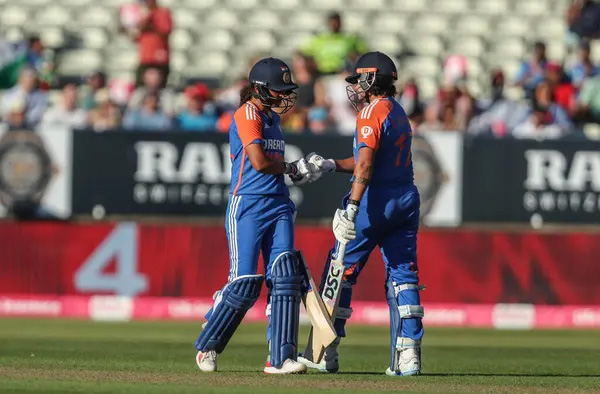
Take Sophie Devine. One minute she’s smashing sixes in Wellington, the next she’s leading from the front in a franchise league in India. Or someone like Harmanpreet Kaur, who often walks in during tricky moments but carries herself as if she walked in at 120 for 1. These players absorb pressure differently. They play like people who’ve lived through every type of match situation.
Close games aren’t accidents — they’re the new standard
A key reason women’s cricket feels more gripping now is that the gap between teams has narrowed. Ten years ago, a handful of sides dominated. Now, even mid-ranked teams regularly take top nations to the final overs.
Think of some recent patterns:
- South Africa chasing totals they once struggled with.
- Bangladesh defending scores as if every run is gold.
- Ireland producing young batters who look fearless from ball one.
The result is a calendar full of tight games — the kind that tell you more about character than technique.
The crunch overs define everything
Every sport has decisive moments, but women’s cricket has developed a habit of producing defining spells within the final quarter of a match. Three overs here, two balls there, and the whole outcome flips.
Here are a few situations that regularly decide matches:
| Pressure Situation | What Usually Happens | Why It Matters |
| Last 4 overs in a chase | Set batters accelerate or collapse | Tests game awareness |
| Middle-overs spin | Tight overs stack up quickly | Forces teams into risk |
| New-ball swing | Early wickets change strategy | Makes depth crucial |
| Fielding under lights | Misfields creep in | Can swing momentum instantly |
A single misjudged run or dropped catch can turn a comfortable chase into a thriller. And this growth in high-pressure moments is a symptom of a healthy, evolving sport.
Young players are learning the hard parts quicker
The new generation hasn’t just grown up watching cricket. They’ve grown up watching women’s cricket — something older players never had access to. They’ve seen big-match nerves, tight finishes, and players performing under the weight of expectation.
So when you watch someone like Shafali Verma stride out to open, or Amelia Kerr guide an innings, or Annabel Sutherland settle a chase, you’re watching players who learned from televised pressure moments long before they played in one.
They’re not intimidated by crowds or cameras. They expect them.
The league system changed everything
The rise of professional domestic leagues — WPL, WBBL, The Hundred, Super Smash — has transformed women’s cricket faster than any development program ever could.
Why?
- Players share dressing rooms with international stars.
- Youngsters learn elite pacing and decision-making far earlier.
- Domestic tournaments create pressure environments every week.
- Teams play in front of crowds that once seemed unimaginable.
And leagues reward adaptability. A player might be an opener for her country but a finisher in a league side. A bowler might deliver the new ball one week and operate at the death the next.
That kind of exposure hardens players, sharpens instincts, and builds confidence that shows up in international cricket.
The shift in fitness has elevated the entire game
Fitness used to be a talking point. Now it’s a baseline. You can see it in the athleticism across the field — diving stops, boundary saves, bullet throws, quicker running between the wickets.
The difference is most obvious in tight matches:
- Teams convert twos where they once settled for singles.
- Bowlers maintain pace into their third spells.
- Spinners stay sharp even deep into the innings.
- Captains trust more players in more roles.
And good fitness creates a knock-on effect: players make better decisions when they’re less fatigued. Late overs look calmer. Pressure becomes manageable instead of overwhelming.

Experience now spreads across squads, not just captains
One of the strongest signs of progress is how many teams have multiple players capable of guiding a run chase or setting up a defence.
Take Australia — they’ve built an entire culture of leaders. But nations like India, England, and New Zealand now have squads filled with players who’ve been in finals, semi-finals, and high-stakes league encounters.
Even developing sides show hints of this shift. Thailand, for instance, play with a composure that belies their resources. Their fielding alone is a lesson for bigger teams.
Fans have grown more demanding — in a good way
Supporters aren’t just tuning in for the occasion anymore. They’re analysing strike rates, noticing when teams burn reviews, debating bowling changes, and arguing over selection choices.
You see it online, but also in stadiums. Crowds groan at wides. They cheer smart fielding. They recognise when a bowler out-thinks a set batter.
That sophistication lifts the sport. Players feel it. Broadcasters adapt to it. And teams respond to it. The same shift is visible among online gaming fans, who now look beyond surface-level offers and compare casino bonuses just as closely as cricket tactics.
What’s next: the final leap
Women’s cricket isn’t waiting for growth. It’s in the middle of it. The next leap may include:
- Longer domestic seasons.
- More international tours beyond two- or three-match series.
- Expanded youth pathways for associate nations.
- Better commercial backing that matches rising viewership.
But the truth is, the sport is already producing the thing all fans crave: contests that feel alive from start to finish.
Pressure isn’t the problem — it’s the platform
If anything defines women’s cricket right now, it’s the way players embrace pressure instead of shrinking from it. The game is faster, more tactical, and more emotionally charged than ever before.
And that’s the real draw. Fans aren’t watching because matches are comfortable. They’re watching because the matches are competitive. Because every chase feels possible. Because every collapse feels recoverable. Because any over might turn into the moment everyone remembers.
Women’s cricket has stepped into the thrilling, unpredictable, gripping zone every sport hopes for — the zone where pressure doesn’t break players.
It reveals them.

Loves all things female cricket