In the afterglow of India’s maiden ICC Women’s ODI World Cup triumph, captain Harmanpreet Kaur believes the landmark victory has done more than lift a trophy; it has altered the commercial landscape of women’s cricket in India. Speaking days after leading her team to a 52-run win over South Africa at the DY Patil Stadium in Navi Mumbai, the first Indian woman to lift an ICC trophy at the senior level predicted that the BCCI’s next round of central contracts would reflect the team’s elevated market value.
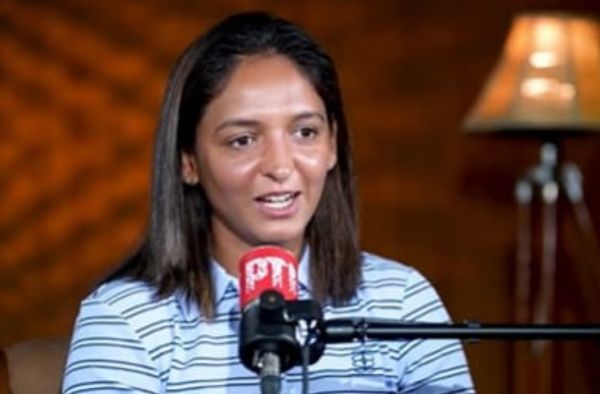
“It will change now. That’s what I feel,” Harmanpreet told PTI in the after-match reflections, noting the significance of performance in driving pay structure. “A lot of changes came after 2017 (when India reached the final). Before that, our central contract was worth Rs 15 lakh. After the 2017 World Cup, it became Rs 50 lakh. After that, we couldn’t prove ourselves much in ICC events. But after winning this trophy, I am sure there will be a lot of improvements, and we will see financially also.”
While women cricketers have enjoyed equal match fees with men since 2022, a development under BCCI Secretary Jay Shah, the top-tier male players still earn Rs 7 crore annually compared to Rs 50 lakh for the women’s elite. Harmanpreet does not view the gap with resentment but with perspective, echoing vice-captain Smriti Mandhana’s stance that the difference reflects “market forces.”
“Before this, all the revenue was coming through men’s cricket,” she explained. “We were grateful that the BCCI made us a part of it and supported women’s cricket when it needed it the most. One thing that we always knew was that we will have to contribute, and then only we can come to that point. Now we can talk about equal payment and equal recognition.”
The skipper acknowledged that the men’s game’s financial dominance was built on decades of success. “We knew that they have improved their cricket so much over the years. They have won back-to-back trophies for the country. If their market value is higher than ours, then there must be some reason behind it,” she reflected.
[embedpress]https://x.com/imfemalecricket/status/1989671179343597652?t=eDnaOs4LJT1kxJHrU4Wodw&s=19[/embedpress]
For the 36-year-old leader, the turning point is unmistakable: November 2, 2025. That night, under the floodlights of DY Patil Stadium, India’s decisive win over Laura Wolvaardt’s South Africa marked not just a sporting triumph but a commercial awakening. “Post November 2, the market value of women’s cricket has gone up because of the trophy,” she said. “If we had not won that trophy, we would still be stuck there. If we want to change, we have to come to that point that we win the same number of trophies for the country. Then people will automatically start giving us the same value as men get.”
Throughout the conversation, Harmanpreet repeatedly credited Jay Shah for the progressive steps taken during his tenure, introducing pay parity in match fees and launching the Women’s Premier League (WPL). “Jay Shah has been the biggest contributor,” she said, her voice tinged with gratitude. “He has been the biggest strength for our team; he supported us even when we hadn’t won any ICC trophy.”
The emotional resonance of Shah’s quiet pride was not lost on the skipper. “We really wanted to do it for him. He gave us everything we needed, be it pay parity or any support. He couldn’t express much on the ground when we won; he just said, ‘I am very happy,’ and that was all we needed.”
With an ICC trophy finally in hand and a nationwide celebration of this landmark moment, Harmanpreet sees India’s women’s cricket entering an era of renewed value, financially and symbolically. For her, equal pay is less a demand and more a byproduct of consistent excellence.
(Quotes sourced from PTI)

Loves all things female cricket