When India and Sri Lanka walked out at the Barsapara Cricket Stadium in Guwahati to open the 13th edition of the ICC Women’s ODI World Cup, the attention will not be confined to the players on the field.
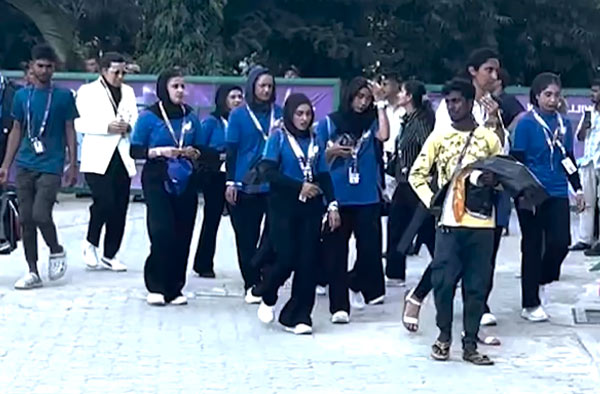
In the stands, a group of Afghanistan’s exiled women cricketers, currently based in Australia, will be in attendance, marking one of the first symbolic attempts to integrate them into the global women’s game. The players, not formally recognized by the Afghanistan Cricket Board (ACB), will not have an official role on the day but will be received as notable spectators of an occasion that transcends sport.
The presence of the female Afghan cricketers in Guwahati comes at a sensitive time, as they continue to remain unacknowledged by the ACB following the Taliban’s return to power in 2021. Since then, women have been systematically excluded from educational and public spaces in Afghanistan, halting any hope of an official national women’s cricket team despite a full set of central contracts being announced in 2020. Many of those contracted players relocated overseas, most of them now playing in Australian league structures.
“This is one of the first efforts to integrate them into the wider cricket community again,” a source familiar with the arrangement noted. Though there has been no formal ICC announcement, administrative groundwork began months ago. In April, the ICC confirmed the creation of a dedicated task force to support Afghanistan’s female cricketers through coaching and mentorship opportunities, funded collectively by the ICC, BCCI, ECB and Cricket Australia. Exact financial details of this scheme have not been made public.
The Board of Control for Cricket in India (BCCI) and local organizers in Assam have been apprised of the Afghan cricketers’ visit ahead of the opener. “Devajit Saikia (BCCI secretary) knows exactly what details about this,” ACA President Taranga Gogoi said in a brief comment. “He will guide us, and we are awaiting more details. The Afghanistan players will be here, and we will make arrangements for that.”
At one stage, the plan extended beyond attendance. Discussions during the ICC’s annual conference in July outlined a potential training camp in Bengaluru, where the Afghan players could also compete against Indian domestic sides before attending selected World Cup matches. As of now, the group’s participation will be limited, though they are still expected to feature in some fixtures against local teams during the tournament window.
Part of the reason the visit has been kept low-key is the ICC’s caution against political retaliation from Afghanistan’s government. Since the Taliban takeover, the ACB has refrained from endorsing a women’s side that could face repercussions at home. The ambiguity surrounding recognition has left Afghan women’s cricket in limbo, even as its players find ways to remain involved abroad.
Not all exiled players have made the journey to India, with visa hurdles preventing several from travelling. Nonetheless, most of those attending were part of an exhibition fixture earlier this year in Australia, when an Afghanistan XI took on Cricket without Borders. Their presence in Guwahati represents not only solidarity but also a reminder of the unfinished journey towards recognition for Afghan women in international cricket.
For the Afghan cricketers, watching India’s Harmanpreet Kaur lead her side against Chamari Athapaththu’s Sri Lanka will be more than a sporting spectacle; it will be a glimpse of what could have been, had circumstances back home been different. The World Cup opener thus offers a stage that goes beyond its participants on the turf, quietly acknowledging the resilience of athletes who continue to push for visibility and opportunity against stark odds.
(Quotes sourced from Espn Cricinfo)

Loves all things female cricket