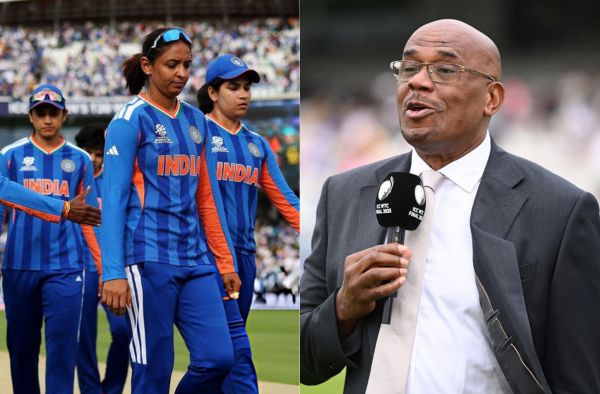
The Women’s Premier League (WPL) has undeniably changed the face of Indian cricket, turning the sport into a highly lucrative and viable career option for young women across the country. Yet, as the excitement of franchise cricket grows, a deeper structural challenge is emerging for Indian selectors. The ultimate goal remains winning on the global stage, where franchise luxuries disappear. According to veteran commentator and ICC Women’s T20 World Cup expert Ian Bishop, India’s cricketing hierarchy must strike a careful balance between leveraging overseas star power in the league and cultivating local talent for the national side.
The core of the issue lies in how tactical roles are distributed within franchise teams. In a tournament like the WPL, international stars often occupy the most critical, high-pressure positions, such as top-order anchors or primary death bowlers. While this raises the tournament’s overall standard, it can inadvertently stall the development of domestic players who need exposure to these exact situations.
“In the WPL, you still have to position teams in a way where you want the overseas players coming in, but also ensure that as T20 internationals demand a number of your key positions, still have to be influenced by Indian selections,” Bishop noted during JioStar’s Media Day. The warning is clear: relying too heavily on foreign imports to win league titles might leave the national team exposed. When a player steps onto the world stage in an Indian jersey, there is no foreign assistance to bail them out.
This gap in tactical readiness often manifests as on-field rigidity during major international tournaments. When pressure mounts, India has occasionally struggled with flexible decision-making and role clarity. During tight tournament matches, the inability to adapt the batting order based on momentum has cost the team dearly.
Pointing out specific tactical moments where India could have shown more flexibility, Bishop observed, “I wonder if Richa Ghosh could have come in a little bit earlier, where Jemimah was struggling to get the ball away, those are little points to look back on.” For India to close the gap with dominant teams like Australia, domestic players must be empowered in the WPL to take on floating, situational roles so that adapting on the fly becomes second nature.
Beyond tactical flexibility, India’s primary developmental hurdle remains its bowling depth, particularly in the fast-bowling department. While the country has produced world-class spinners, the lack of genuine pace options and versatile seam-bowling all-rounders frequently leaves the bowling attack looking one-dimensional on flatter, truer overseas tracks. The team has also found itself vulnerable when unexpected fitness issues disrupt their plans.
“They were unfortunate with injuries, with Shreyanka Patil going out and they need some pace additions; not just being a former fast bowler, but I think generally,” Bishop highlighted. Finding and nurturing robust fast-bowling talent is an urgent necessity if India wants to defend totals consistently against explosive batting lineups.
Ultimately, the WPL is a long-term investment, and expecting it to solve all of India’s international silverware droughts in its infancy is unrealistic. The tournament is successfully building a massive ecosystem of young talent and shifting cultural perceptions about women’s sports. However, translating that domestic boom into a ruthless, world-conquering national team takes time.
As Bishop concluded, “WPL, given the vastness of the nation, is a great thing. But you’re still going to have to wait a little bit longer to see the full impact of that.” Until then, the focus must stay on alignment—ensuring the WPL serves as a true finishing school for Indian match-winners rather than just an elite exhibition.

Loves all things female cricket