As Australia prepares for a crucial multi-format series against India, all-rounder Ashleigh Gardner has offered a candid reflection on missing out on the national captaincy, balancing personal disappointment with a renewed commitment to the team’s broader goals. The leadership transition marks an important moment for Australian women’s cricket as the side regroups following recent ICC tournament disappointments and enters a new competitive cycle.
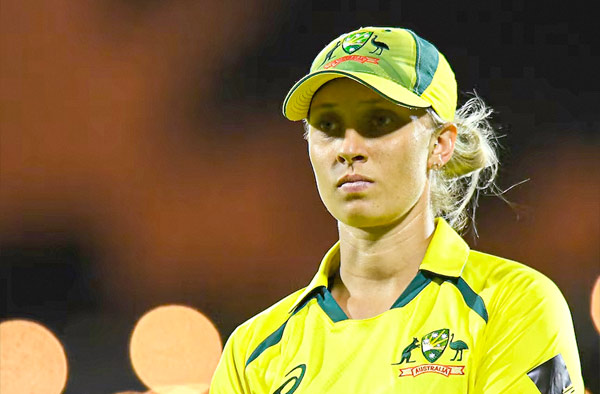
Gardner had been widely viewed as a strong contender for the top job, given her stature within the team and her proven ability to influence matches with both bat and ball. A dynamic middle-order batter and an incisive off-spinner, she has grown into one of Australia’s most dependable match-winners across formats. When selectors opted to look elsewhere, Gardner did not shy away from her emotions. “There was probably a period of time where I was disappointed,” she admitted, acknowledging the natural reaction that accompanies missing out on such a significant opportunity.
Rather than allow that disappointment to linger, however, Gardner displayed the composure that has come to define her career. “You kind of have this defence mechanism where if you don’t get it you don’t want to be so disappointed that you can’t move on,” she said, highlighting the resilience required at the elite level.
Importantly, Gardner made it clear that her focus has shifted from the decision itself to how she can continue to shape the team environment. “I’ll seek feedback (on the captaincy interview) if I want it, but not necessarily on why I didn’t get it. It’s more so how I can have an impact on the group in a different space,” she explained. The statement reflects a player intent on growth rather than grievance, and one committed to contributing meaningfully regardless of title.
[embedpress]https://x.com/i/status/2022547767676280843[/embedpress]
Australia’s women’s team finds itself at a pivotal juncture. After a prolonged era of dominance that yielded multiple global trophies, recent setbacks in ICC events have prompted introspection and recalibration. The upcoming multi-format series against India, spanning T20Is, ODIs and a Test presents an immediate opportunity to reset standards and reassert authority. In that context, Ashleigh Gardner’s influence remains central, particularly after her appointment as vice-captain in the new leadership structure.
At 28, Gardner is firmly in her prime, bringing both experience and competitive edge to a side navigating transition. Her ability to shift momentum with explosive middle-order batting, coupled with her knack for breaking partnerships with disciplined off-spin, makes her indispensable across formats. Now officially part of the leadership group as deputy to Sophie Molineux, Gardner’s role extends beyond performance alone. Her presence offers continuity within a dressing room adjusting to new dynamics, and her standing among teammates ensures her voice carries weight in tactical and cultural conversations alike.
Molineux’s elevation to captain marks a fresh direction for the team, with selectors backing not only her cricketing acumen but also her ability to connect with the group. Within the camp, she is viewed as someone who naturally brings people together — a quality teammates believe is central to her leadership. Gardner has indicated that Molineux injects energy and fun into the environment, fostering a relaxed yet competitive atmosphere.
There is also a strong sense that Molineux places people first, valuing them as individuals before cricketers, an approach expected to strengthen trust and cohesion within the squad. The belief internally is that such attributes will make her a widely embraced leader as Australia moves forward.
(Quotes sourced from AAP)

Loves all things female cricket