International women’s cricket enters 2026 with a calendar that feels permanently switched to fast‑forward. Bilateral tours overlap with global tournaments, domestic leagues stretch deeper into the year, and broadcast windows are packed tighter than ever. The growth is welcome, but it brings new pressures that are impossible to ignore.
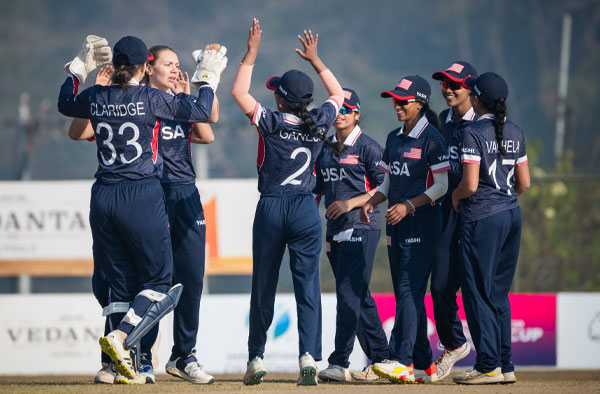
What makes this moment different is scale. More matches are being played, watched, and monetised across more territories than at any point in the women’s game. The real question is whether the sport’s structures are evolving quickly enough to protect players while sustaining that momentum.
Behind the headlines sits a delicate balancing act. Expanding schedules promise visibility and investment, yet they also test workload limits, competitive balance, and the way fans follow the sport across formats and borders.
Crowded Calendars And Player Demands
The density of the 2026–27 calendar has made workload management a central issue rather than a background concern. Elite players now move rapidly between international tours, franchise leagues, and domestic competitions, often with minimal recovery time. That intensity sharpens performance but raises questions about longevity and injury risk.
Broadcast demand is a major driver. More live windows mean more fixtures, particularly for top-ranked sides that draw the largest audiences. While this accelerates professionalism, it also exposes gaps between boards with deep resources and those still building depth.
Calls for a structured global schedule, including Nations League-style models, reflect a desire for clarity. A predictable rhythm could help boards plan rotations, give players recovery windows, and preserve the quality that broadcasters are paying for.
Competitive Balance Across Tours
As tours expand into new regions, competitive balance becomes more complex. Emerging markets want meaningful fixtures, not one-sided series, yet commercial logic often favours established rivalries. Digital access and regulatory frameworks now play a quiet but influential role in how these tours are packaged and distributed.
Broadcast expansion has also intersected with wider sport-adjacent ecosystems, including sports betting platforms. As cricket content reaches viewers in newer territories, understanding local compliance landscapes matters—not only for media rights but also for betting regulations and how odds are presented. In that context, resources that outline market-specific rules and fan engagement, see details, illustrate how these factors shape both the viewing and betting experience. These considerations sit on the periphery of cricket itself but influence how tours are monetised, streamed, and wagered upon across regions.
The upside is visibility. According to Business Standard, the first 13 matches of the 2025 Women’s Cricket World Cup attracted over 60 million viewers, a five-fold increase on 2022. That scale strengthens the case for competitive fixtures across regions rather than compressed repeats.
Broadcast Reach And New Markets
Technology partnerships are accelerating this reach. The ICC’s collaboration with Google has focused on smarter discovery, data integration, and tailored fan experiences, embedding women’s cricket more deeply into mainstream digital habits, as outlined in coverage of the technology partnership. This matters because discoverability often determines whether casual viewers become long-term fans.
Financial signals back up that ambition. The 2025 Women’s Cricket World Cup featured a total prize pool of USD 13.88 million, nearly four times the 2022 figure. Investment at that level raises expectations around support systems, from travel logistics to medical and mental health provision.
What This Means For Global Fans
For fans, denser schedules offer choice but demand attention. Following a favourite player now means tracking performances across continents and formats, often simultaneously. That fragmentation challenges storytelling, yet it also allows supporters to engage on their own terms through highlights, analytics, and on-demand viewing.
The bigger picture is one of opportunity tempered by responsibility. Expanding international schedules have elevated women’s cricket into a genuinely global product. Sustaining that rise depends on aligning calendars, welfare, and broadcast strategy so growth enhances the game rather than stretching it thin.

Loves all things female cricket