Women’s cricket once lived in the margins. A scorecard might appear days later, buried in a newspaper column. Highlights were rare. Interviews were shorter, if they existed at all. Fans followed teams like people once followed ships at sea – by waiting for a message to arrive.
Digital media flipped that model. Now coverage moves at the speed of a tap. A wicket falls, and a clip can hit phones before the next ball. A player speaks, and the quote spreads in minutes. Niche outlets can build loyal audiences without owning a TV channel.
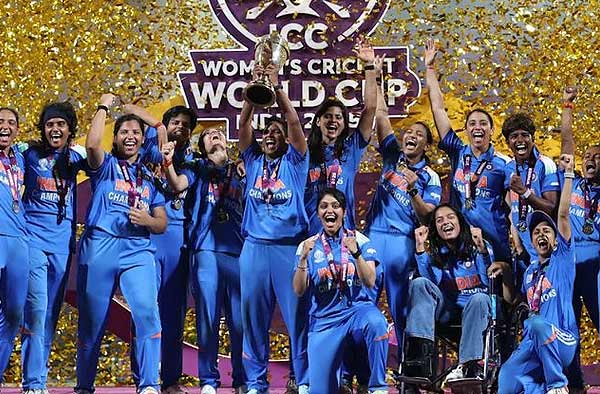
This shift changed more than distribution. It changed who tells the story, what gets measured, and how players build public identity. It also created new risks – misinformation, harassment, and attention that spikes and crashes like a volatile stock chart.
From Broadcast Gatekeepers To Direct Digital Access
Traditional broadcasters once controlled access. If a match did not fit the schedule, it disappeared. Digital platforms removed that barrier. Streaming services, social media, and niche websites now deliver women’s cricket directly to the audience.
This access changed how fans learn the game. By watching full spells, reading post-match threads, and tracking player routines, supporters build their own understanding and observations of women’s cricket. The same habit of self-knowledge and pattern reading applies on platforms like bc.game, where outcomes depend on attention, analysis, and informed personal judgment rather than blind trust.
Coverage now moves both ways. It invites observation, comparison, and independent thinking instead of passive viewing.
Metrics Replaced Myths: Data Became The New Language
Digital coverage forced women’s cricket to speak in numbers, not assumptions. Earlier discussion leaned on effort and character. Now it relies on strike rate, economy, and boundary percentage. Data made comparison unavoidable and fair.
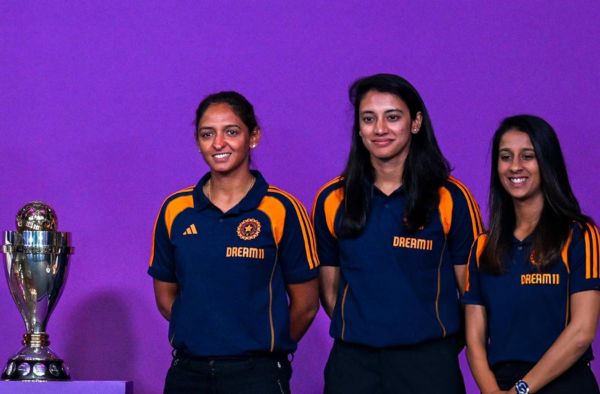
Fans track form across series, not single moments. They see patterns develop and collapse. Tables help compress this reality and remove noise.
| Coverage Era | Main Focus | Typical Metrics Used | Audience Insight |
| Pre-Digital | Narrative, Effort | Runs, Wickets | Fragmented |
| Early Digital | Highlights | Averages, Strike Rate | Partial |
| Modern Digital | Full Context | Phase Data, Economy, Impact | Analytical |
Data did not drain emotion from the game. It sharpened understanding.
Players Became Media Channels, Not Just Subjects
Digital platforms turned players into broadcasters. A phone replaced the press room. A short post can now reach more people than a traditional interview ever did.
This direct line changed tone and trust. Fans see preparation, fatigue, and reaction without filters. Most player-driven coverage follows clear and repeatable patterns:
- Training insights shared through short clips
- Match-day routines shown in real time
- Personal reflections after wins and losses
- Injury updates explained directly
- Team culture moments captured off the field
Coverage feels closer because it shows physical effort and routine. Distance shrank.
Algorithms Shaped Visibility And Reach
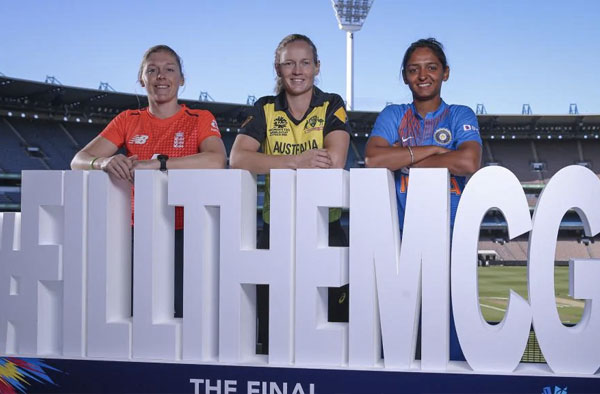
Digital platforms do not treat all content equally. Algorithms decide what surfaces. In women’s cricket, this changed how visibility works.
Performance still matters. Format and timing matter just as much. Short clips rise faster than long reports. Live moments travel furthest. Tables make this shift visible.
| Content Type | Algorithm Preference | Typical Reach | Longevity |
| Live Clips | Very High | Instant Spike | Short |
| Short Highlights | High | Broad | Medium |
| Match Reports | Medium | Focused | Long |
| Long Analysis | Low | Niche | Very Long |
Visibility now follows user behavior, not editorial hierarchy.
Mobile Consumption Changed The Rhythm Of Coverage
Coverage adapted to the phone. Long blocks broke into scrollable units. Updates became faster and sharper. Women’s cricket adjusted quickly because much of its audience arrived through mobile first.
Fans check scores between tasks. They watch clips while moving. This rhythm mirrors how users interact with platforms like bcgame apk, where mobile access rewards speed, attention, and immediate decision-making.
The screen grew smaller. Attention grew more intense. Coverage that respects this rhythm survives.
Global Audiences Formed Without Geographic Limits
Digital coverage erased distance. A fan in Nairobi follows a league in Australia. A reader in South America tracks an India–England series live. Location stopped deciding access.
Growth changed scale. Women’s cricket expanded network by network, not country by country.
| Aspect | Pre-Digital Era | Digital Era |
| Audience Location | Local | Global |
| Access Method | TV, Print | Mobile, Web |
| Time Delay | Days | Seconds |
| Interaction | Rare | Constant |
| Growth Speed | Slow | Accelerated |
Coverage now builds shared understanding across borders.
Commentary Shifted From Authority To Conversation
Digital platforms broke the single-voice model. Coverage no longer speaks at the audience. It speaks with them.
Writers explain faster. Broadcasters correct live. Fans challenge ideas instantly. The loop stays open.
This conversational model shows clear traits:
- Immediate feedback to on-field moments
- Public correction of mistakes
- Shared analysis across roles
- Multiple viewpoints visible at once
- Faster learning for new fans
Authority now comes from clarity, not position.
Monetization Followed Attention, Not Tradition
As coverage moved online, money followed behavior. Sponsors chased engaged time, not fixed slots. Women’s cricket benefited from focused, informed audiences.
Revenue streams diversified and stabilized through repetition, not hype:
- Sponsored content tied to players or series
- Digital platform partnerships
- Affiliate models for niche audiences
- Subscription journalism for deep analysis
- Direct fan support via memberships
Consistency now pays more than spectacle.
Conclusion: Coverage Became Infrastructure, Not Decoration
Digital media did more than amplify women’s cricket. It built the roads the sport now uses. Coverage tracks performance, carries context, and stores memory.
Players speak directly. Data corrects myths. Mobile access sets pace. Global reach removes borders.
This system feels normal now, but it holds the game together. When coverage stays precise and trusted, women’s cricket keeps moving forward.

Loves all things female cricket