A lot of women cricketers carry more than just a bat when they leave the field. They carry ideas, experience, scars, successes. Many have begun shifting into coaching roles. Because having played already gives insights: what pressure feels like, what training works, how to deal with team politics. It’s not always easy. But it’s happening more now.
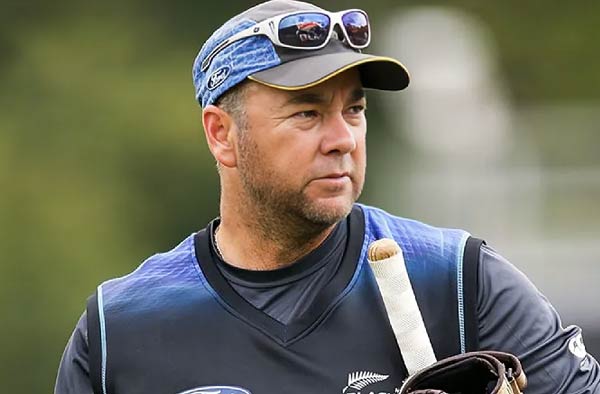
Here’s the thing: coaching is about reading the game and making smart calls under pressure. In some ways, it’s not far from betting, where people also weigh odds, predict outcomes, and live with results. The difference is that coaches stake their trust on their players rather than numbers on a slip, but the mindset of calculated decision-making is the same. And just as platforms like Betway highlight how strongly sport and strategy are connected, cricket coaching shows how much foresight and judgment can shape success.
Why former players make natural coaches
Here’s what I found. Former players often already know:
- Game rhythms: when to rest, when to push.
- What kind of feedback sticks. If a coach nags about technical stuff but doesn’t show you how, it falls flat. Players-turned-coaches often show how.
- The mental side: dealing with failure, injury, being dropped. They’ve been there.
For example, a recent study on talent development in women’s cricket looked at what elite players and coaches thought worked or didn’t. It found that early exposure matters. Female players who played in mixed or male environments often developed certain skills faster. Coaches in that study noted that young women often had less chance to practise match-like pressure, so former players can help bridge that gap.
And another report about sports science & medicine in female cricket said that understanding female-specific needs (like fatigue, injury risks, nutrition) is improving, but there’s still a shortage of coaches and mentors who know both the science and have played at decent levels. That limits how well training can be adapted.
Real stories: players who became coaches
- Charlotte Edwards is a good example. She played for England for years. She was captain. In 2025 she was appointed head coach of the England women’s team. Her playing experience helped her coaching rise.
- In India, VR Vanitha, a former batter, moved into coaching/scouting roles after her playing career ended. She has worked with both men’s and women’s teams, as well as been involved in mentoring younger players. Her path shows how a player can use both technical knowledge and people skills to coach.
What holds women back and what helps
Here’s where things get rough:
- Some boards or leaders still favour men for head coach roles. Even if women have equivalent coaching credentials or playing history.
- Female coaches often have to prove themselves more. More results, more learning, more time.
- Less access to high-level coaching courses or mentoring. If you don’t see women coaches, it’s harder to imagine doing it yourself.
What helps:
- Female-only coaching courses. For example, Cricket Victoria has recently run a “Female Only Advanced Coaching Course” in 2025. It brought women together, built technical skill, but also networking.
- Structured programs in boards to develop women coaches: mentoring, matching them with experienced coaches, giving them assistant roles so they can learn by doing.
- Recognizing the value of experience: former players are not just symbolic. They bring real know-how.
Why this matters
Because coaches shape the future. If women who’ve played are coaching, younger players see that as possible. They see someone who’s already walked that road. The game becomes more inclusive. Techniques become more tuned to women’s bodies and experiences. Culture changes: communication, expectations, balance.
Also, this matters for performance. Teams with coaches who know the players deeply, who have been players themselves, often make smarter choices in training, in handling pressure, in knowing what burns people out vs what pushes them forward.
Conclusion
Women moving from playing into coaching isn’t new. But it is increasing. It won’t happen overnight. There will be resistance, bias, missing resources. But the more stories like Charlotte Edwards’, VR Vanitha’s, the more structures like female-only coaching courses, the more change there will be.
If you’re a current or former player wondering whether coaching is for you: chances are better now than ever. It takes work. It takes patience. But you’re already carrying the tools. Let them grow.

Loves all things female cricket