How the Push for Gender Equality Shows Up in Women’s Cricket
Historically, women’s cricket was overshadowed by the existence of men’s cricket. That translated into empty stadiums, a lack of television viewers, having to work at other jobs while they were not playing because they could not afford to rent or buy things solely from cricket alone. While the athletes varied greatly in how much they placed value on representing their country, they all agreed that the private sponsors are far from being generous enough to rely on.

The Money Trail
Salaries are an honest, rational barometer that reflects true priorities in an organization, more so than any announcement or catchphrase from any cricket governing body. In 2022, New Zealand Cricket took the lead in making match fees equal between men and women.
By 2025, the ECB in England will have taken it further, making equal minimum starting salaries applicable to all domestic-level professionals, at entry and senior levels. Three governing bodies, three models, one underlying reason: not altruism, but pragmatism that stems from the cost of staying in charge. Equal match fees grabbed web headlines, but the true money players pocket regardless of how many games they play paint a less flattering picture:
| Country | Men’s Top Retainer vs Women’s | Gap Size |
| India (BCCI) | Men earn multiple times more; women have fewer contract tiers and no top-grade equivalent. | Massive |
| England (ECB) | Closer, but men’s salary budgets still roughly double the women’s cap. | Moderate |
| Australia (CA) | Narrower than India, wider than England; domestic league revenue helps close the distance. | Moderate |
There are two things that really stood out. The other is that England and Australia have narrowed the pay gap between their players and Indian players more than ever before. The push for gender equality in the workplace made it harder to justify paying women a fraction of what men earn for identical work. Broadcasters tied deals to equity commitments. The financial case for inaction collapsed. The push for equality in the workplace meant it was hard to justify paying women a fraction of men’s wages for doing the same job.
Audiences Caught Up Before the Boardrooms Did
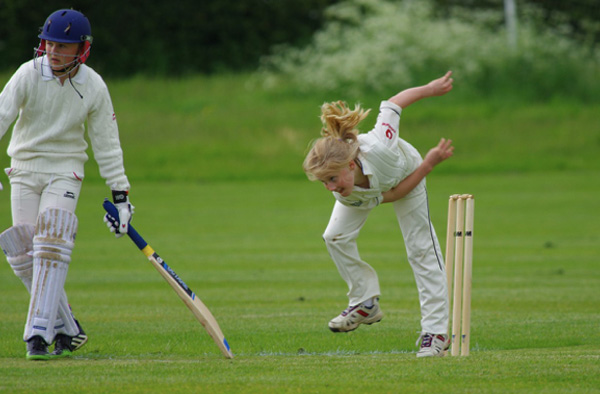
The commercial case for women’s cricket stopped being theoretical in 2025. The ICC Women’s Cricket World Cup shattered every viewership record the sport had. Key attendance and viewership numbers from the tournament:
- The online presence of this event reached a staggering 446 million viewers in India alone, exceeding the past three Women’s World Cups’ viewership.
- The group stage match between India and Pakistan garnered 28.4 million viewers and reached 1.87 billion minutes of viewing time, making it the biggest women’s international cricket match from a viewing perspective.
- For the finale, 185 million people watched simultaneously on JioHotstar, matching the 2024 Men’s T20 World Cup Final’s viewership.
These figures are not pretty numbers. They are right up there with the benchmarks for men’s cricket and prove that the statement that no one would like to watch women’s cricket is simply a superstition. The audience has been there all along. What has been missing is broadcast quality and a product deserving of prime-time spots.
Structural Changes That Actually Matter
Viewership spikes mean nothing without lasting infrastructure. Here is what has shifted:
- The ICC has increased the number of teams in the Women’s T20 World Cup, going from 12 to 16 between 2026 and 2030. The decision to have cricket back in the Olympics was approved for the Women’s T20 format.
- Another important moment for women’s cricket is that the Women’s Premier League in India has quickly begun growing.
- Additionally, in 2020, Brazil broke new ground as the only ICC full member to give central contracts to women without having any men’s contracts.
These are not cosmetic tweaks. Each one creates a feedback loop, which attracts more sponsors, which fund better player contracts and draw more talent into the sport.
What Comes Next
It will become clearer over the next several years if the recent progress can sustain itself or if the excitement of the sport reverts to traditional patterns when the novelty wears off. There are three main areas to monitor:
- The initial question revolves around whether the 2028 Summer Olympics will create a real funding model to increase women’s cricket presence.
- The second question is whether the BCCI has the potential to renegotiate its retainer contracts to get rid of the pay gap.
- The third question focuses on whether women’s cricket events in the future will be secured individually at a higher price, rather than being bundled.
The case of women’s cricket demonstrates that gender equality does not come about through one decision or major tournament. Women’s cricket has not yet reached that point, but it is closer than it has ever been.

Loves all things female cricket