The former Indian skipper Anjum Chopra has a simple, blunt message for those clamoring for a captaincy change after India’s recent T20 World Cup exit: swapping leaders won’t magically fix deeper problems. Chopra, a former India skipper and a measured voice on women’s cricket, says the conversation around replacing Harmanpreet Kaur misses the bigger questions about depth, preparation and structures that decide long-term success.
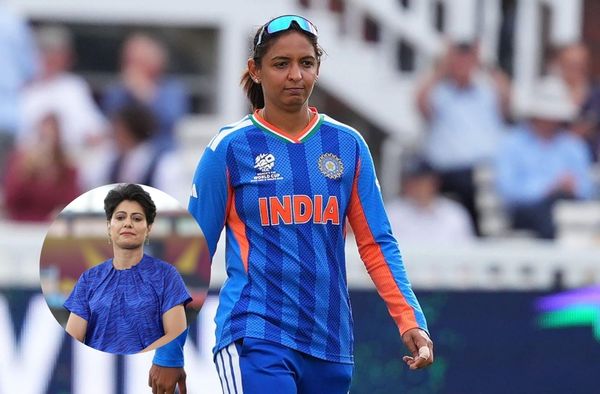
Harmanpreet Kaur has led India in T20Is since October 2016 and, while the team missed the semi-finals in the 2026 T20 World Cup in England and Wales, their only 2nd non-semi-final showing under her leadership. Anjum Chopra argues that leadership alone isn’t the root cause. Harmanpreet finished the 10th edition as India’s third-highest run-scorer with 141 runs at a strike rate of 131.77 and an average of 35.25 in five innings, including a fighting half-century against Australia. Those numbers underline Chopra’s point: the skipper is contributing with the bat even as results have been mixed.
On the admission of the interviewer himself, we are doing so well. Under Harmanpreet, we are doing so well. Chopra responded with “So then why are we talking of a change?” Her critique isn’t personal; it’s structural. She warns that treating captaincy as a quick fix would lead to frenetic, counterproductive churn. “If captaincy is the solution, then I think in every series, we should keep changing captains.” She reminds the viewers that most captains earn the role the old-fashioned way: perform as a player, progress to vice-captain, then lead; exceptions are rare and risky.
Chopra stresses India’s shortage of reliable backup options across departments. Pointing to the 2025 ODI World Cup triumph as evidence of both promise and fragility, she notes the team effectively lacked a ready 13th player when Pratika Rawal’s injury forced in-form Shafali Verma as a late replacement. That scarcity of bench strength, she argues, is more damaging than debates over who wears the armband. “One player gets injured, we are looking for options. And we have to wait for somebody to come from outside. So, let’s start strengthening the bases first.”
Her diagnosis is specific: India need depth in pace, more consistent spin options beyond the handful of names currently in rotation, and greater solidity in the middle order and top order batting. That lack of depth in the resources in terms of the pace department was reflected and very evident when India weren’t in a position to call upon the like-for-like replacements in the squad on losing a promising core of pace-bowling all-rounders in the form of Kashvee Gautam, Amanjot Kaur, and Pooja Vastrakar due to an injury, way before the 10th edition of the ICC Women’s T20 World Cup in England and Wales in June-July 2026.
The former Indian skipper lists current spin resources, Sneh Rana, Deepti Sharma, Shree Charani, with Radha Yadav on the fringes, but says quantity and speciality options are still lacking. In batting, she calls for the development of players who can stake a claim not just sporadically but week in, week out, so the team doesn’t rely on last-minute call-ups.
Chopra also locates responsibility beyond selectors and administrators, urging a stronger pipeline from junior cricket to the senior side. “It has to happen from a very junior-most age group cricket,” she says, insisting players must understand what they’re preparing for and do the hard work that makes them unignorable in domestic seasons. Many players have worn the India cap; far fewer have backed it up with consistent domestic performances that make them obvious choices.
Her stance contrasts with voices like Mithali Raj, who has suggested grooming a young T20 captain such as Shafali Verma. Chopra doesn’t dismiss future leadership development, but she views current calls for an immediate switch as unfeasible given the present squad composition and the lack of ready-made alternatives.
Ultimately, Anjum Chopra’s message is pragmatic: protect the captaincy conversation from knee-jerk reactions and invest in systems that produce options. “You can make anybody the captain. That doesn’t mean that the rest of the 10 players will start performing differently,” she says.
If India are to convert potential into consistent trophy contention across formats, from T20s to the historic Test win at Lord’s under Harmanpreet’s leadership and the 2025 ODI World Cup triumph, the focus must be on enlarging the talent pool, shoring up weak departments, and building a sturdier 15-plus pool of players rather than endlessly debating who should hold the captain’s badge.
(Quotes Sourced from PTI)

Loves all things female cricket