Women’s cricket keeps getting sharper. The ball flies harder, the fielding is cleaner, and the kids are fearless. If you’re wondering who might shape the next few seasons, here are five young players already pushing the standard.
From social media clips to sports betting charts, that kind of buzz says a lot about how quickly women’s cricket is growing world wide in reach and popularity.
Phoebe Litchfield (Australia), top-order batter
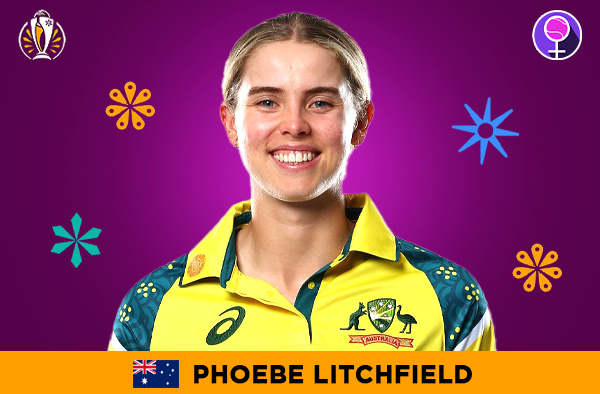
Litchfield bats like she’s been doing it for decades. Smooth left-hander, cool head, and already delivering in big games. In January 2024 she cracked a career-best ODI hundred in Mumbai to seal a 3–0 series sweep over India. That wasn’t a cameo. It was match control from a 20-year-old who looked settled against high-quality bowling. That kind of composure travels well across conditions.
Alice Capsey (England), batting all-rounder
Capsey’s game is built for modern T20. She goes hard early and brings energy in the field. That unbeaten 67 versus New Zealand in July 2024 showed how dangerous she can be. When England need a punch in the middle, she offers it. If she strings consistent starts in 2026, she becomes a lock in any format conversation.
Amy Hunter (Ireland), wicketkeeper-batter
Here’s the thing: Hunter isn’t just a “prospect.” She already owns two big records on her shelf. She set the record in 2021 as the youngest player ever to score an ODI hundred (male or female), and in early 2024 she added a T20I ton to her name. Becoming the first Irish woman to score tons in both formats. That mix of timing and calm under pressure is rare at her age. If Ireland get more top-tier fixtures in 2026, watch her numbers jump.
Shorna Akter (Bangladesh), leg-spinning all-rounder
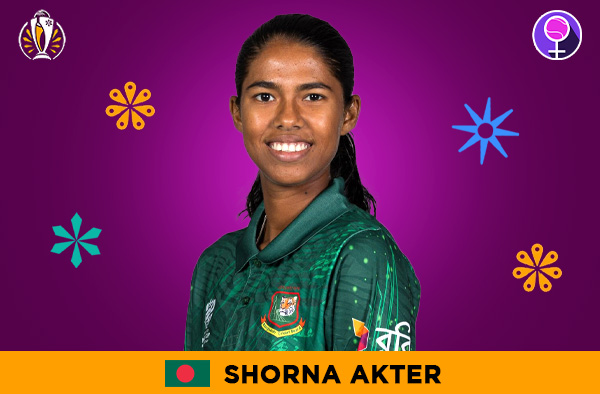
Shorna brings energy and bite. A young leggie who hits a clean ball, she’s already produced standout spells and quick scoring bursts for Bangladesh. In October 2025, ESPN profiled how her fast scoring and fearless approach turned heads, including a record fast fifty for Bangladesh in ODIs. That blend of attacking leg-spin and strike power gives Bangladesh real balance.
Titas Sadhu (India), pace bowler
If you like rhythm bowling and tight new-ball spells, keep Titas on your list. She starred in the 2023 ICC U19 Women’s T20 World Cup final, taking 2 for 6 in four overs and winning Player of the Match as India lifted the trophy. Since then, she’s added strength and speed. India’s depth is real, but a power play specialist who swings it both ways earns chances.
Why these five?
They’ve already shown proof in real games, not just academy numbers. Litchfield has banked high-pressure runs away from home. Capsey closes chases with intent. Hunter breaks records and keeps learning. Shorna changes games with the ball and bat. Titas sets a tone from ball one. Different roles, same story: they influence results.
Two quick, recent signals:
- Match-level impact: Litchfield’s January 2024 century didn’t just pad stats; it decided a series in India. That’s a strong marker for future tours and ICC events.
- Sustained rise from youth to senior level: Hunter turning her 2021 ODI record into a 2024 T20I hundred shows development isn’t stalling. She’s adding range, not just repeating a moment.
What to watch in 2026
Schedules will matter. Capsey’s role in England’s middle order could expand if she strings early runs in the home summer. Ireland’s calendar will shape Hunter’s ceiling; more Tier-1 opposition means more data points. Bangladesh will keep giving Shorna overs in key phases. She could be their wildcard in tight chases or slow decks. India rotates quicks, but Titas has a skill set that fits power-play plans on fresh pitches. And Australia rarely hands out long top-order runs unless you earn them; Litchfield already has.
No guarantees here. Young players hit dips. Form slides. Selectors tinker. But if you’re tracking the next wave, these five are already sending clear signals.

Loves all things female cricket